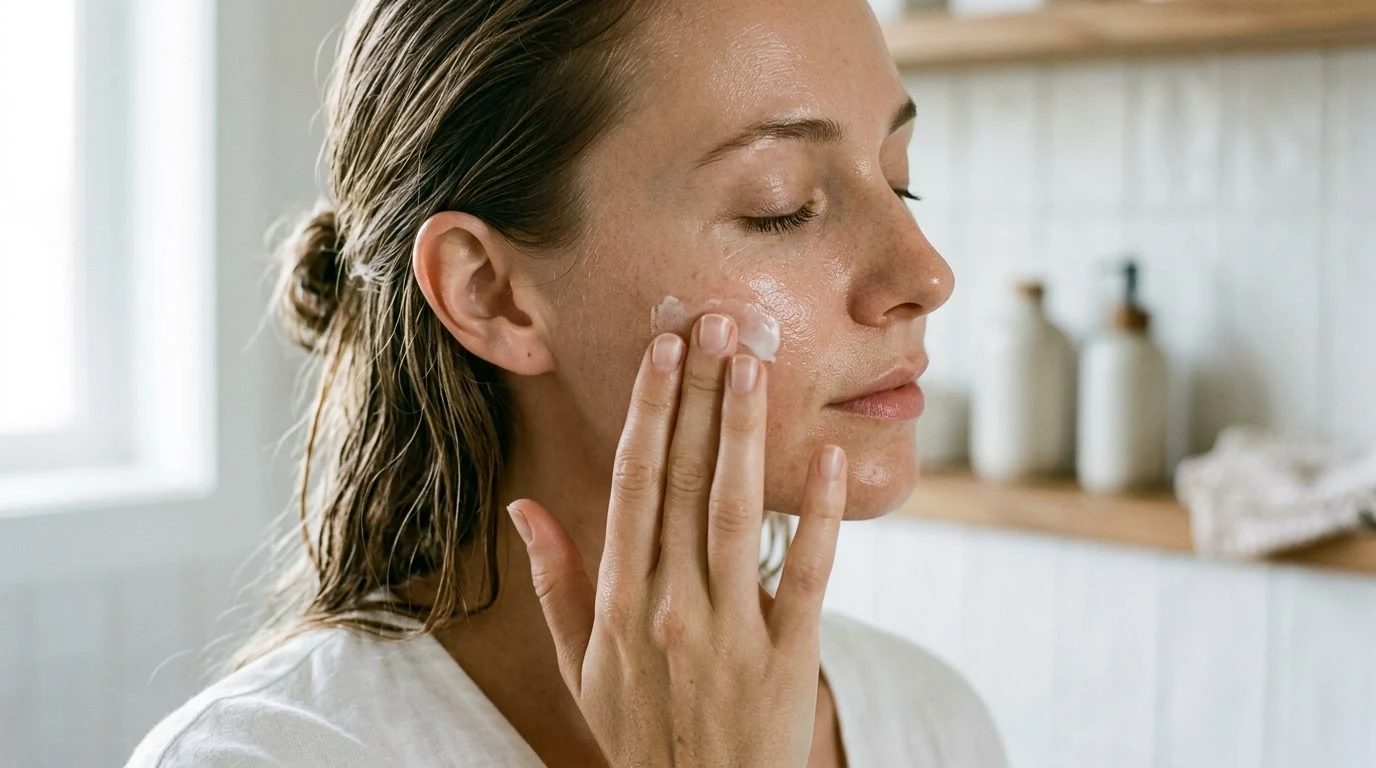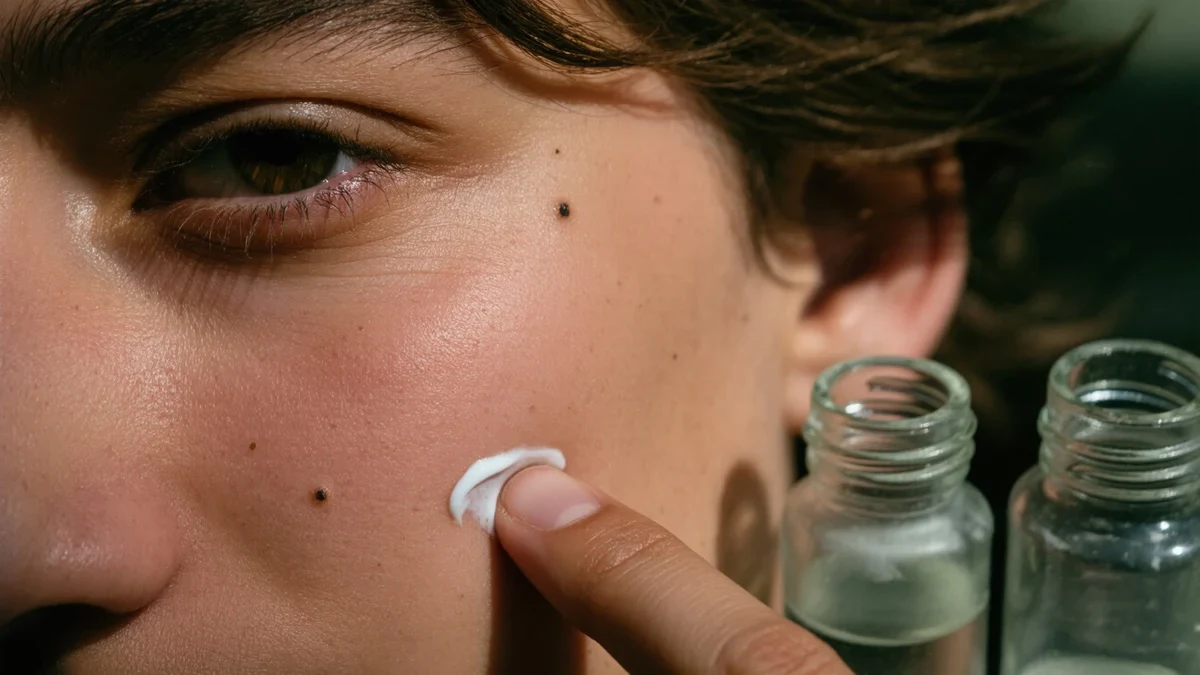
Dark circles are not one condition, so no single cream treats them all. A systematic review of 39 studies in Dermatologic Surgery found effective options include lasers, topical creams and serums, fillers, chemical peels, and surgery, with the right one depending on the diagnosed cause. Matching treatment to cause is where most shelves go wrong.
What causes dark circles in the first place?
The eye area is structurally different from the rest of the face. Skin around the eyes is among the thinnest on the body, which is why pigment and the vascular network beneath it show through more readily than on the cheek. Researchers led by Michelle, writing in Dermatologic Surgery in 2021, sorted the etiologies of periorbital hyperpigmentation into pigmentary, structural, vascular, and mixed causes. That classification is the working toolkit of most dermatologists, because a pigment-driven circle and a shadow created by volume loss look similar in a mirror but respond to entirely different interventions.
The practical translation is a simple test dermatologists often describe in consultations. If the darkness stays when the skin is gently stretched, pigment is likely involved. If it improves when light hits the area directly, the shadow is probably structural. If faint blue or purple tones dominate, vessels may be contributing. Guessing wrong is expensive: a brightening serum does little for a hollow, and no topical replaces what a filler addresses.
What does the evidence say actually works?
For pigment-based dark circles, the systematic review found that various topical creams and chemical peels are useful, while lasers are mildly to moderately beneficial for both vascular and pigment types. The same review concluded that soft tissue fillers and autologous fat grafting are most effective in treating dark circles due to volume loss, and that blepharoplasty surgery is best when excessive skin laxity is the underlying cause. In other words, the strongest evidence sits with in-clinic procedures matched to a diagnosed cause, not with any single over-the-counter hero product.
Laser therapy has its own evidence base. A systematic review in Lasers in Medical Sciences, covering ten clinical trials, reported that 45.3 percent of patients responded good and 35.9 percent excellent to laser treatment for periorbital hyperpigmentation, with 76.4 percent of patients satisfied with the reduction of moderate to high pigmentation. The authors also noted results are not instant, with assessment typically after four to six months of treatment. Readers considering lasers should also know the review described the therapy as safe overall, though follow-up periods in the studies lasted several months rather than years.
| Cause of dark circles | Best-supported options, per research | Evidence strength |
|---|---|---|
| Pigmentary | Topical creams, chemical peels, lasers | Multiple study types, moderate |
| Vascular | Lasers | Mild to moderate benefit |
| Structural (volume loss) | Soft tissue fillers, fat grafting | Strongest in the review |
| Skin laxity | Blepharoplasty | Strongest for this cause |
Do eye creams deserve their price tag?
Honest answer: sometimes, and never as a category. A well-formulated eye cream is essentially a sensible moisturizer for thin, easily irritated skin, and the Dermatologic Surgery review lists topical creams among useful options only for pigment-based cases. Ingredients with pigment-related evidence, such as prescription depigmenting agents studied in the trials the review covered, work on melanin, not on shadows or vessels. A cream cannot rebuild lost fat pads or tighten excess skin, and the review's own conclusions point to procedures for those causes.
What an eye cream can reliably do is support the barrier of fragile skin. Gentle hydration, fragrance-free formulas, and diligent sun protection around the eyes help prevent the pigment deepening that makes existing circles more visible. The same review's caution applies to expectations: given the scarcity of high-quality evidence supporting many results, its authors recommend interpreting treatment claims selectively. Readers who see the word cure on any under-eye packaging should keep walking.
What should a routine for the eye area look like?
Dermatologists generally frame eye-area care as protection first, treatment second, and the numbered order below reflects how clinicians typically sequence it.
- Remove makeup gently with a mild cleanser, without rubbing the lid skin.
- Apply a fragrance-free moisturizer or eye cream suited to thin skin, per the product's usage directions.
- Use sun protection daily, including around the orbital bone, since UV exposure deepens pigment over time.
- If pigment is the diagnosed cause, discuss evidence-backed topicals or peels with a dermatologist.
- For shadows from volume loss or laxity, ask about fillers or surgical options, which the review found most effective for those causes.
One more note on skin tone: pigmentary dark circles are often more visible and more persistent in richer skin tones, and laser settings must be adjusted accordingly, which is why the procedure research emphasizes practitioner experience. The evidence does not show any home device or topical that safely and permanently removes periorbital pigment across all skin tones, and any plan that ignores tone is not a plan.
How well do lasers hold up over time?
The laser data is worth reading closely, because it is the procedure with the most granular numbers. In the Lasers in Medical Sciences review, covering ten clinical trials between 1990 and 2018, the immediate picture was strong: 45.3 percent of patients showed a good response and 35.9 percent an excellent one across laser types, with only 2.76 percent responding poorly. But the long-term follow-up numbers redistribute the outcomes, with 43.35 percent of patients receiving an excellent response and 26.27 percent a good response after four to six months of therapy, and a quarter of patients showing a fair result at that horizon.
Two practical readings follow. First, laser improvement is real but graded, and maintenance across a full year was not what the reviewed trials measured, since the authors note follow-up periods usually last about several months. Second, satisfaction did not track perfectly with clearance, with 76.4 percent of patients satisfied with the reduction of moderate to high periorbital hyperpigmentation, a reminder that patient-perceived improvement and clinical scoring measure different things. Readers weighing cost against expectation should anchor on the four-to-six-month figures rather than the immediate ones.
What should a reader ask a dermatologist?
The reviews effectively write the consultation checklist. Useful opening questions include which of the four etiology categories, pigmentary, structural, vascular, or mixed, best describes the darkness; whether any topical in the current routine is worsening it, since periorbital skin reacts to irritation with pigment; and which evidence-backed option fits the diagnosis and skin tone. The Dermatologic Surgery review's conclusion offers a final calibration: soft tissue fillers and autologous fat grafting are most effective for volume loss, blepharoplasty for laxity, topicals and peels for pigment, and lasers mildly to moderately beneficial for vascular and pigment types.
It is also fair to ask a clinician what they would not do. Given the scarcity of high-quality evidence the reviewers themselves flag, a careful practitioner will decline to promise complete clearance, will patch-test pigmented skin before peels or lasers, and will set a follow-up horizon of months, not weeks. Any provider selling a single-session cure for all dark circle types is describing something the published literature does not contain.
What does the research not show?
The literature is candid about its limits. The Dermatologic Surgery review states plainly that, given the scarcity of high-quality evidence supporting these results, recommendations should be interpreted selectively, and calls for additional randomized clinical trials studying periorbital hyperpigmentation. Caffeine, cold compresses, and gel masks may temporarily reduce puffiness appearance, but the reviewed studies did not treat those as treatments for hyperpigmentation itself. Read the rest of the Dermatologic Surgery systematic review and the Lasers in Medical Sciences analysis for the full methodology.
This article is for informational purposes only and does not constitute medical advice. Skincare and haircare needs vary by individual; consult a dermatologist or qualified healthcare professional before starting any new treatment, especially for persistent skin, scalp, or hair concerns.