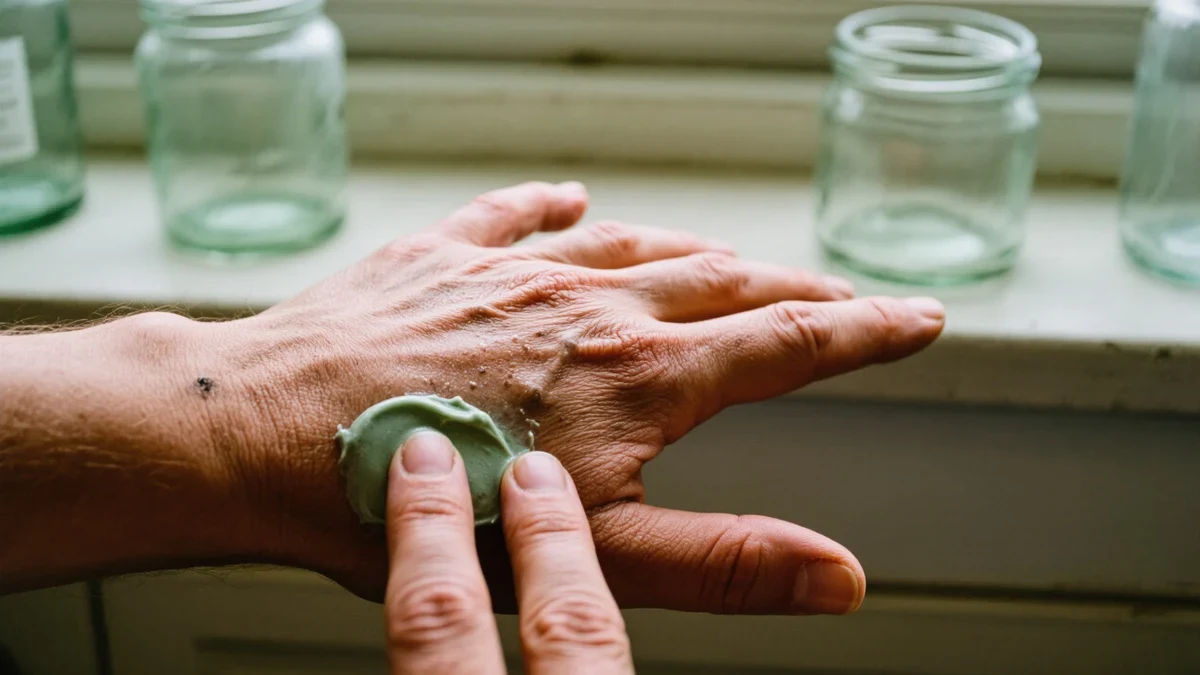
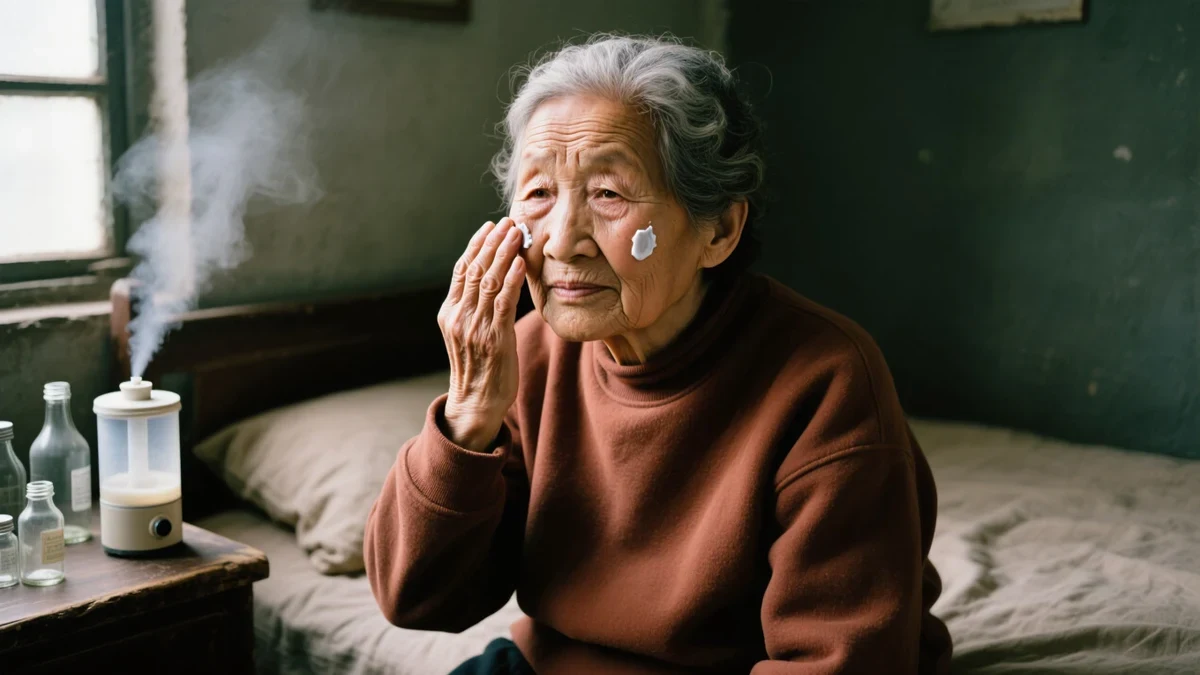
Hand and body skin care follows the same biology as facial care, with two twists: these areas get more washing trauma and less sunscreen. The American Academy of Dermatology's guidance is concrete: wash hands for at least 20 seconds in lukewarm water, dry with a clean towel but leave some water…
A first dermatology appointment is a focused medical visit, not a spa treatment: a short intake about skin history and concerns, a visual examination of the skin, and a treatment or testing plan, usually inside 15 to 20 minutes. Cleveland Clinic dermatologists describe the full-body skin cancer…
Menopause changes skin through a single mechanism with many outputs: estrogen decline. A dermatology review in Dermatology and Therapy explains that the drop in 17-beta-estradiol after menopause reduces skin health by negatively impacting dermal cellular and homeostatic mechanisms, including…
The best-reviewed evidence says routine biotin does not grow hair in healthy, well-nourished people. A Skin Appendage Disorders review found 18 reported cases — every patient who improved had underlying pathology for poor growth. A 2024 follow-up review found the popularity unsupported.
The World Health Organization defines burn-out as a syndrome "resulting from chronic workplace stress that has not been successfully managed." A review in Inflammation & Allergy Drug Targets links psychological stress to the onset or aggravation of multiple skin diseases. Burnout's visible…
Seasons measurably change skin: a year-long Czech study found stratum corneum hydration and sebum production at their lowest in winter and hydration at its highest in spring, while a Chinese cohort found transepidermal water loss peaked in winter and dropped in summer. Both are…