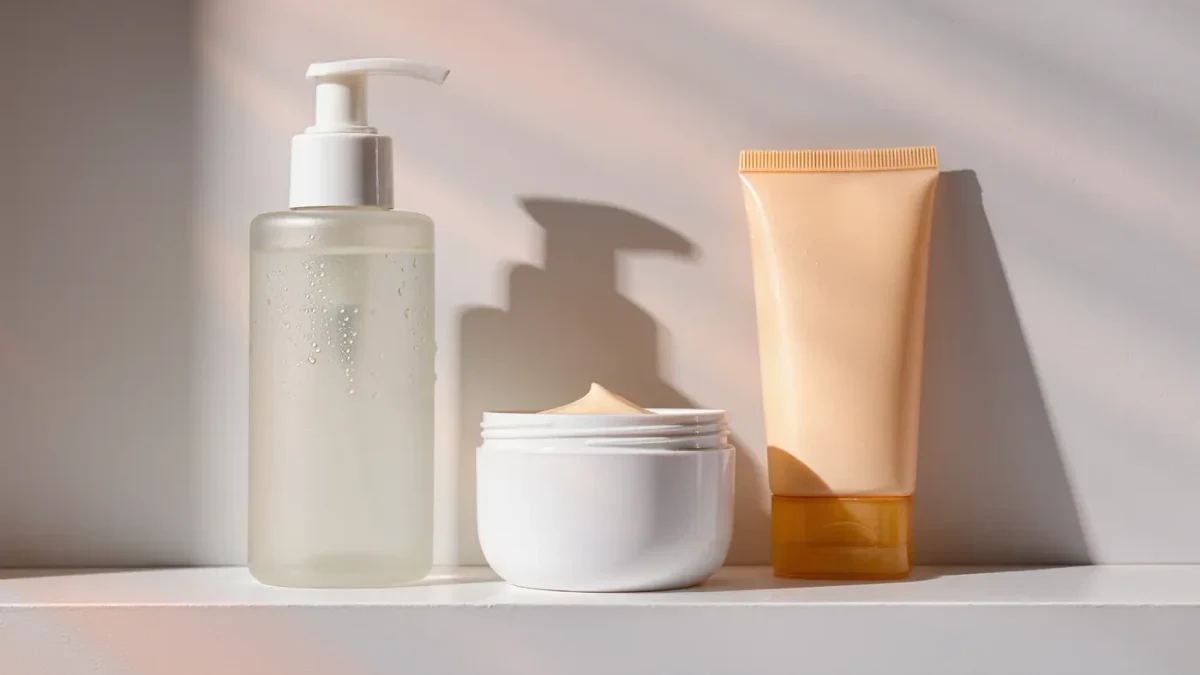
Rosacea-prone skin does best with a short, gentle routine: a mild non-soap cleanser, a fragrance-free cream moisturizer, and daily sun protection, according to the American Academy of Dermatology. A review in the journal Drugs by dermatologist Hilary Baldwin and co-authors covers the prescriptions that treat rosacea itself, a separate step from anything cosmetic.
What does rosacea-prone skin actually need?
Rosacea is a chronic inflammatory condition, not a skin type, and the American Academy of Dermatology is direct that skin care is an essential part of every rosacea treatment plan, alongside medication. The plan a board-certified dermatologist builds includes a gentle cleanser, a moisturizer, and sunscreen, because barrier support makes prescription treatment work better. In one small study cited by the AAD, patients applied the prescription metronidazole gel twice a day and added a gentle moisturizing cream to one side of the face; after 15 days, the moisturized side had less dryness, peeling, and roughness. Moisturizer is described as essential whether rosacea makes skin dry or oily, because it traps water and restores lipids.
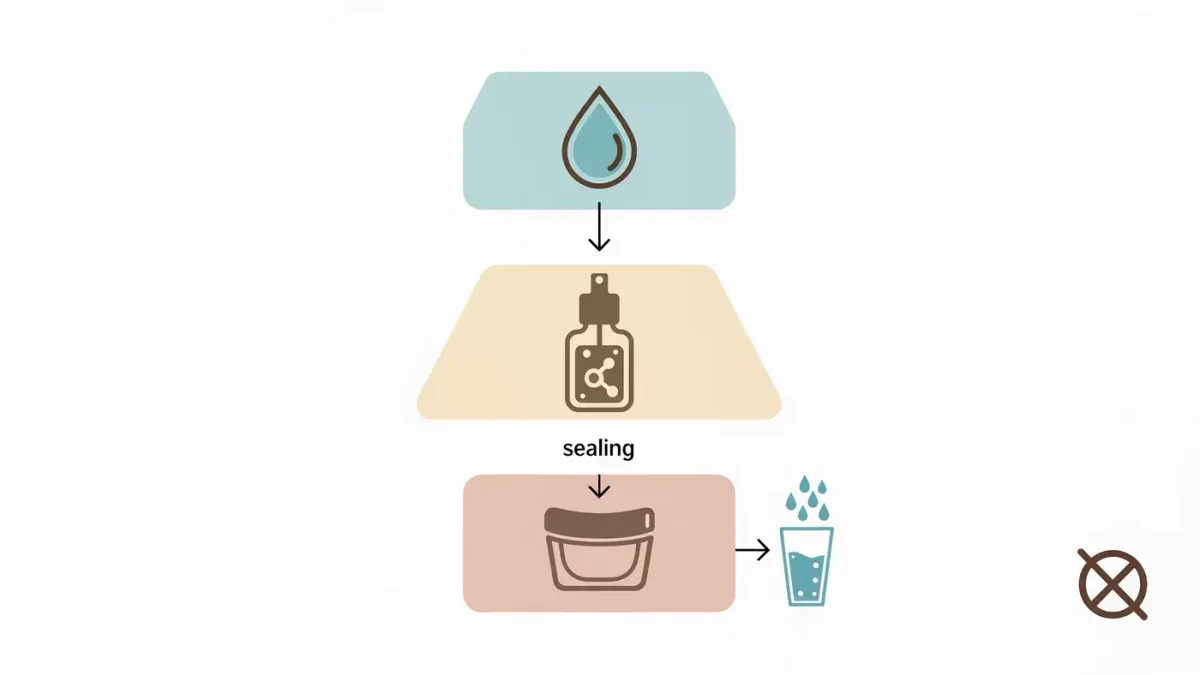
The order matters as much as the products. Medication goes on cleansed skin first, followed by moisturizer, and sunscreen follows that in the morning. Sun is one of the most frequent causes of a rosacea flare-up, and the AAD notes it is a common trigger for people of all skin tones, so protection is recommended year-round, not only in summer.
The sun-protection guidance has real texture to it. Dermatologists advise seeking shade when possible, wearing sun-protective clothing including a wide-brim hat, and using sunglasses with UV protection, because eyelid skin participates in rosacea flares too. One small sequencing note from the same AAD material: moisturizer applied to dry skin, waiting until the face has dried after washing, is less likely to burn or sting than moisturizer layered onto damp skin. These are small mechanics, but rosacea care is largely an accumulation of small mechanics done consistently.
Moisturizing is also where many readers with oily, rosacea-prone skin go wrong, since it feels counterintuitive. The AAD is explicit that moisturizer is essential whether rosacea makes skin dry or oily, because it restores lipids the impaired barrier is not holding on its own. Skipping it tends to make the stinging worse, not better.
Which ingredients should sensitive, rosacea-prone skin avoid?
The American Academy of Dermatology publishes a specific avoidance list for rosacea: alcohol, camphor, fragrance, glycolic acid, lactic acid, menthol, sodium lauryl sulfate, and urea. That list comes from the AAD's rosacea skin care guidance, and it cuts across marketing categories, since a product labeled for sensitive skin can still contain one of these irritants. Dermatologists recommend choosing fragrance-free rather than unscented products, because unscented can still contain masking fragrance.
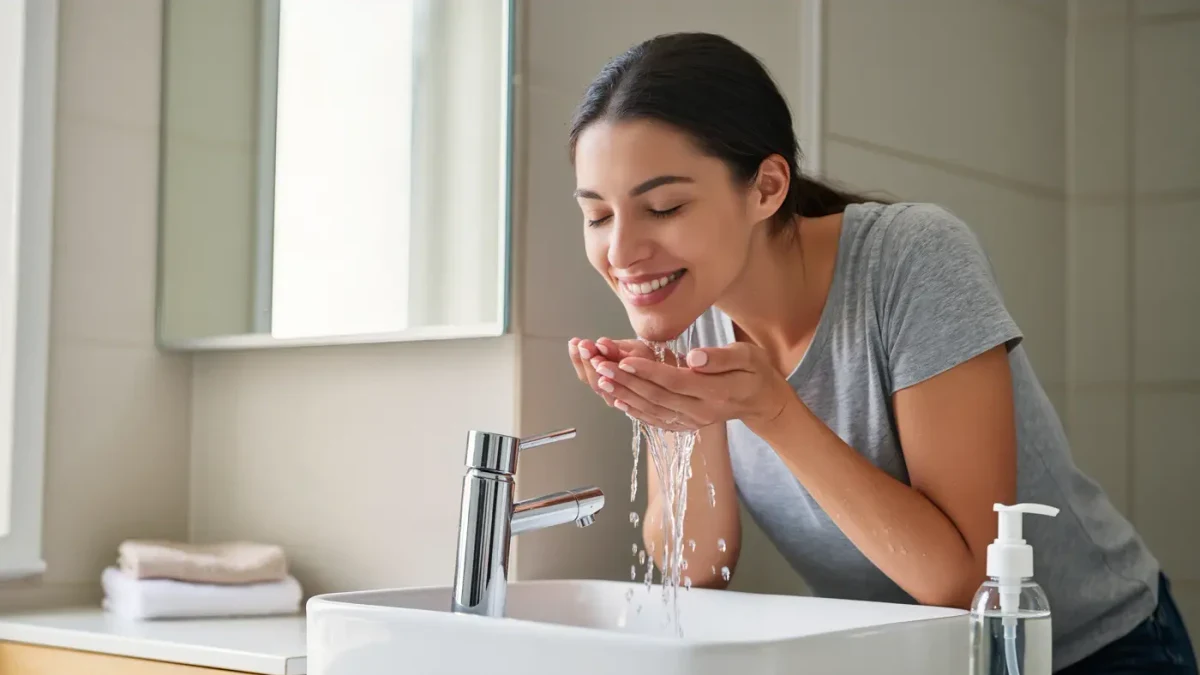
A few practical rules follow from the same guidance. A cream is recommended over a lotion or gel for this skin. Astringents and toners are advised against entirely. Testing matters too: patch-testing a new product before applying it to the whole face helps identify what stings, and the AAD publishes a separate how-to for it. Cleansing should happen twice a day, very gently, with fingertips and warm water, and the cleanser must be rinsed off thoroughly, because residue left on skin can itself cause irritation.
What treats the redness itself?
Here the honest answer is that cosmetics do not treat rosacea, and the evidence sits with prescriptions and procedures. A review published in the journal Drugs by dermatologist Hilary Baldwin and co-authors, whose author list includes Linda Stein Gold and James Del Rosso, surveys the FDA-approved options: metronidazole gel, azelaic acid gel and foam, ivermectin cream, minocycline foam, oral doxycycline, brimonidine gel, and oxymetazoline cream, along with the newer microencapsulated benzoyl peroxide 5% cream. The review notes the older agents have reduced papulopustular lesions and erythema for many years.
For persistent visible blood vessels and flushing, the AAD says laser or intense pulsed light therapy can reduce redness, though it is unlikely to be the only treatment a dermatologist prescribes. What the evidence does not show is any over-the-counter cream erasing rosacea redness; camouflage with a green-tinted color corrector is a makeup strategy, not a treatment.
What does the evidence not show?
It is worth being precise about the gaps, because rosacea marketing fills them eagerly. No cosmetic ingredient has been shown to treat the vascular redness of rosacea; the calming claims on redness-relief creams describe comfort and appearance, not a drug effect. The Drugs review frames even the newest prescription option, microencapsulated benzoyl peroxide, as needing further research to define its exact role in the treatment landscape. That is the pace at which real dermatology moves, and it is much slower than a launch calendar.
The second gap is timing. Prescription rosacea therapies are measured over weeks of consistent use, and the AAD emphasizes that treatment can prevent the condition from worsening, which is a different goal from reversing what is already visible. Readers comparing a twelve-dollar serum against a dermatologist visit are comparing a comfort product against care that can change the trajectory of a chronic condition.
The third gap is diagnosis itself. Because no medical test confirms rosacea and signs come and go, the AAD describes diagnosis as examination plus questions, sometimes with testing to rule out lookalikes such as lupus. Self-diagnosed redness that is actually another condition gets no closer to resolution under a rosacea-friendly routine, however well built that routine is.
What does a rosacea-friendly routine look like?
Assembled from the AAD guidance above, the routine is short by design:
- Cleanse twice a day with a mild, non-soap cleanser, applied with fingertips and rinsed with warm water.
- Apply prescription medication first, if a dermatologist has prescribed one.
- Apply a fragrance-free cream moisturizer to dry skin after cleansing.
- Finish mornings with sun protection, seeking shade and a wide-brim hat outdoors.
- Check every new product against the avoidance list, and patch-test before full-face use.
For readers who suspect rosacea rather than have a diagnosis, the starting point is a dermatologist, since the AAD notes no medical test confirms it and diagnosis relies on examination plus questions. A tailored plan beats any single product, and treatment can prevent the condition from worsening over time.
This article is for informational purposes only and is not medical advice. It does not diagnose or treat any skin or hair condition. For persistent redness, breakouts, hair loss, or scalp symptoms, consult a dermatologist or qualified healthcare professional.