Dark spots fade when the trigger stops and a studied active is used patiently: the American Academy of Dermatology says many spots clear once the cause is gone, and a 2025 randomized trial in Scientific Reports found tranexamic acid plus niacinamide matched 4 percent hydroquinone for melasma over three months. Hydroquinone remains the prescription benchmark, not the only option.
What causes dark spots and hyperpigmentation?
The mechanism is melanin overproduction after a trigger, and the AAD is specific that people with medium to dark skin tones are most prone because their melanin cells respond more readily. In its guidance on fading dark spots, the AAD lists the common triggers: a pimple or patch of psoriasis clearing, a healing insect bite, cut, or burn, certain medications, a skin or hair care product that irritates, and hormonal changes such as pregnancy. That last category overlaps with melasma, the pattern of patches that dermatology research treats as its own condition.
The cause determines the strategy, which is why the AAD organizes its advice by trigger. For spots left by acne, eczema, or psoriasis, effectively treating the underlying condition comes first, because as long as new inflammation arrives, new pigment follows. The AAD notes most spots then fade on their own over time, though it can take a long time, and that preventing new spots is as important as fading old ones.
Which ingredients have real evidence behind them?
The strongest new data point is the 2025 trial from Shiraz University of Medical Sciences researchers published in Scientific Reports, in which 99 melasma patients were randomized to niosomal tranexamic acid 2 percent with niacinamide 2 percent, conventional tranexamic acid 5 percent with niacinamide 4 percent, or hydroquinone 4 percent cream. All three groups saw considerable reductions in melanin index and modified melasma severity scores, with the tranexamic acid combinations matching hydroquinone, and adverse reactions and relapse observed in the hydroquinone group. Niacinamide also carries independent support in the cosmetic science literature for managing hyperpigmentation and supporting barrier function.
Sorted by evidence, the current landscape for pigment looks like this:
| Ingredient | Strength studied | Evidence note |
|---|---|---|
| Hydroquinone | 4% (prescription in the US) | Gold standard comparator in the 2025 trial; relapse and adverse reactions noted in its group |
| Tranexamic acid + niacinamide | 2%/2% and 5%/4% in trial | Matched hydroquinone for melasma over 3 months in the 99-patient trial |
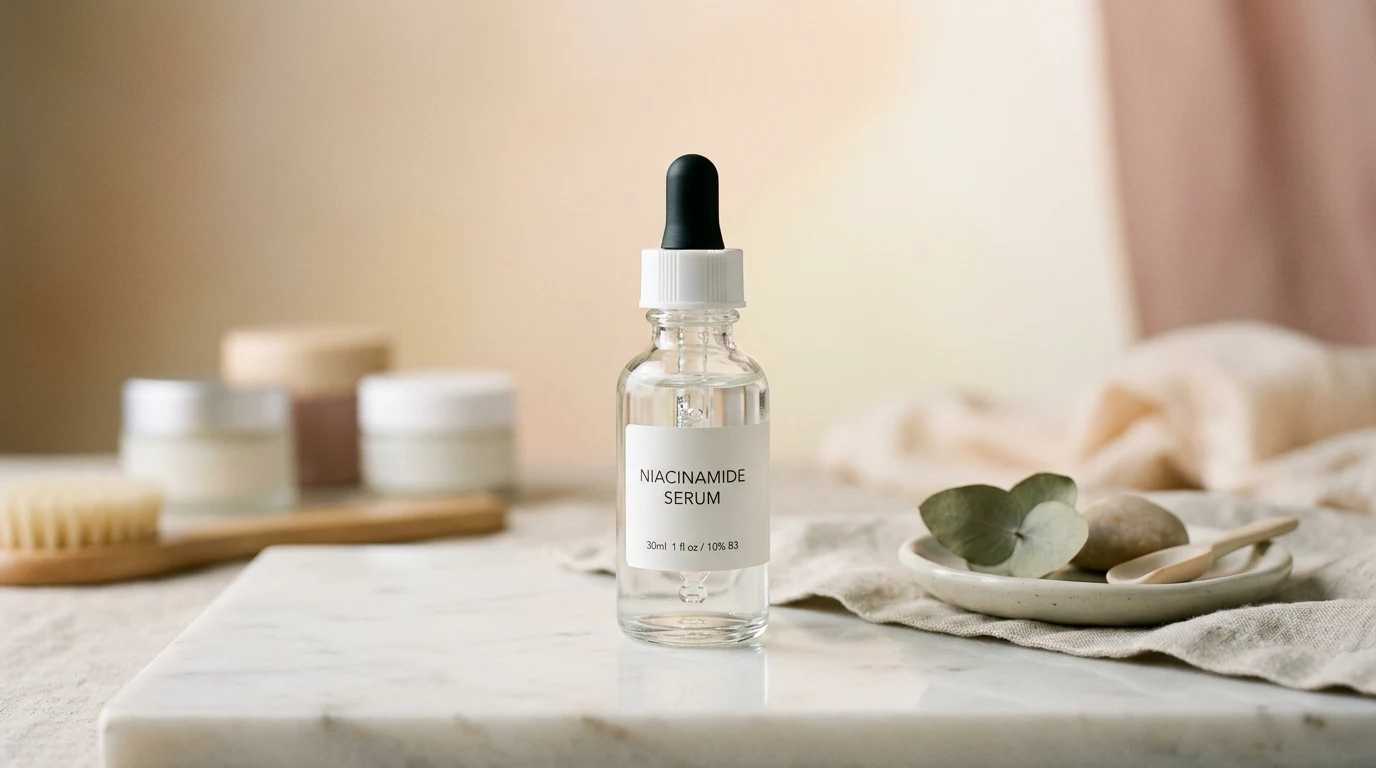
| Niacinamide alone | 2-4% typical | Cited in cosmetic science literature for hyperpigmentation and barrier support |
| Retinoids | Prescription strengths | Standard dermatologist option, per AAD guidance on treating underlying causes first |
| Vitamin C, azelaic acid | Varies | Widely recommended; the AAD advises prescription strength when home care stalls |
One row deserves emphasis: hydroquinone in the United States is a prescription-strength decision made with a dermatologist, not a casual purchase.
Why is sunscreen the non-negotiable part?
Every fading strategy in the dermatology literature sits on top of sun protection, because UV exposure is the input that keeps melanin production switched on. The AAD's guidance treats sun protection as continuous with treatment rather than separate from it, and its broader materials recommend broad-spectrum, water-resistant SPF 30 or higher for daily use on all skin tones. For readers investing weeks in a niacinamide or prescription routine, skipped sunscreen is the leak that empties the bucket.
The point matters doubly for darker skin tones, where the temptation is to skip protection because burning is less obvious. The AAD's causal framing, extra melanin triggered by insult, applies to UV just as it does to a healing pimple, and pigment conditions like melasma famously rebound with sun exposure. A hat and a daily sunscreen are less exciting than a new active, and they are the part of the routine with the least dispute around them.
How are melasma and post-inflammatory spots different?
The distinction runs through both sources in this article. Post-inflammatory hyperpigmentation is the medical name the AAD gives to spots left behind after a pimple, injury, or irritation clears, and it often fades once the trigger stops. Melasma is the hormonal-pattern condition the Scientific Reports trial studied, appearing as patches commonly tied to pregnancy or hormonal change, and it is notorious for relapsing, which is why the trial tracked relapse in its hydroquinone group at all.
The practical difference is patience and escalation. A left-behind acne mark may fade with sunscreen and time, per the AAD. Melasma that recurs usually warrants a dermatologist, because combination prescription care addresses both the pigment and the relapse pattern. Treating one like the other is how months pass without progress.
What about darker skin tones specifically?
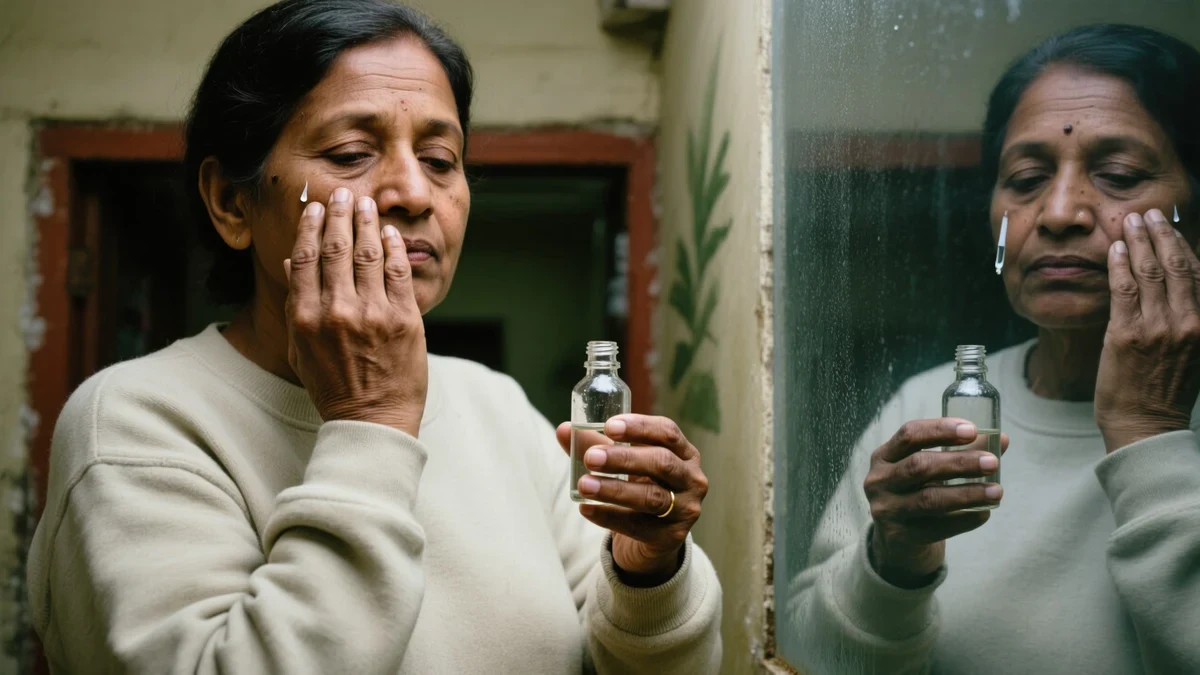
The AAD guidance centers people with darker skin tones for a practical reason: pigment-safe actives and sun protection matter most where melanin responds most readily. Dark spots rank among the most common reasons people with darker skin tones see a dermatologist, and the AAD is explicit that some spots require prescription-strength treatment, since a dermatologist can safely combine approaches for better results.
That also means aggressive exfoliation and home remedies belong out of the routine entirely. Scrubbing a spot adds inflammation, the very trigger that created it, and the AAD's causal framing makes clear why that backfires. Patience is not a marketing platitude here; the natural fading the AAD describes happens on a timeline of months.
What does an evidence-based fading routine look like?
Assembled from the AAD guidance and the trial evidence, the order of operations is:
- Identify and stop the trigger, treating any underlying acne, eczema, or psoriasis with a dermatologist's help.
- Apply broad-spectrum sunscreen every morning, since UV re-triggers melanin in every skin tone.
- Choose one evidence-backed active, such as niacinamide or a dermatologist-directed tranexamic acid or retinoid product.
- Give it a full skin-cell turnover cycle of at least 8 to 12 weeks before judging results.
- Escalate to prescription options if new spots keep appearing or old ones resist.
The honest summary is that hyperpigmentation is one of the most treatable complaints in dermatology and one of the most oversold in retail. The evidence sits with sunscreen, trigger control, and a small set of studied actives, and everything beyond that set is marketing until trials say otherwise. Between the AAD's trigger-first framing and the 2025 trial's three-month results, the reader who spots the cause, protects daily, and picks one studied active is doing everything the current evidence supports, and doing it before the frustration sets in that drives most bad purchases in this aisle.
This article is for informational purposes only and is not medical advice. It does not diagnose or treat any skin or hair condition. For persistent redness, breakouts, hair loss, or scalp symptoms, consult a dermatologist or qualified healthcare professional.