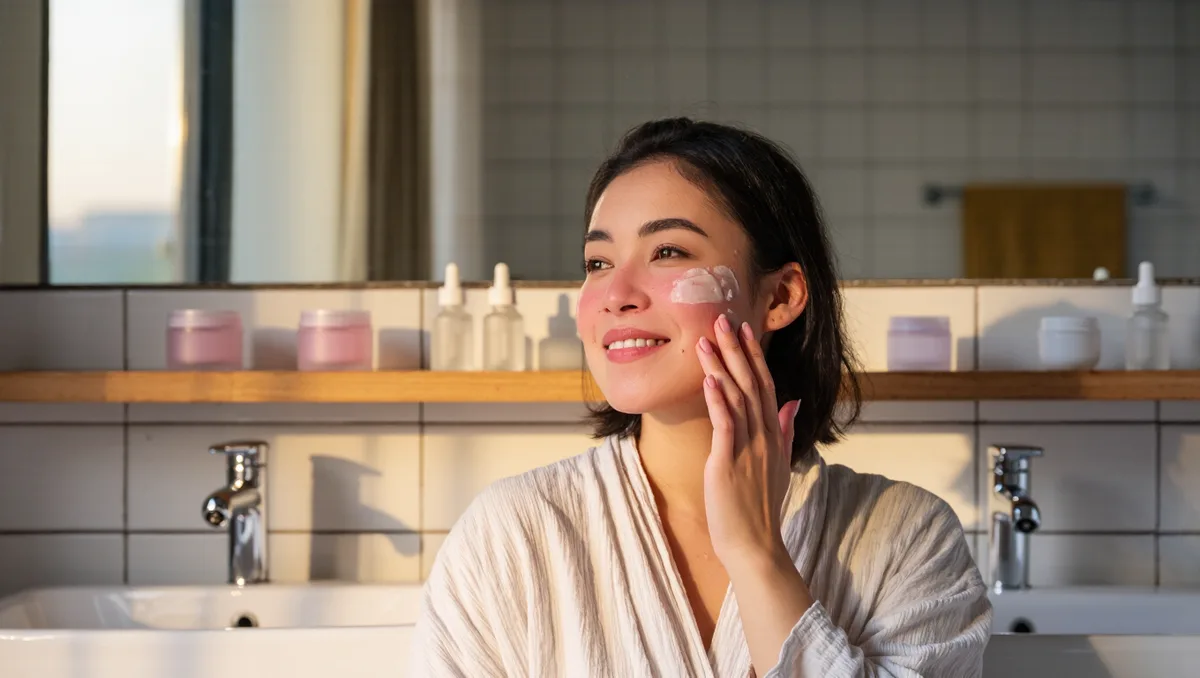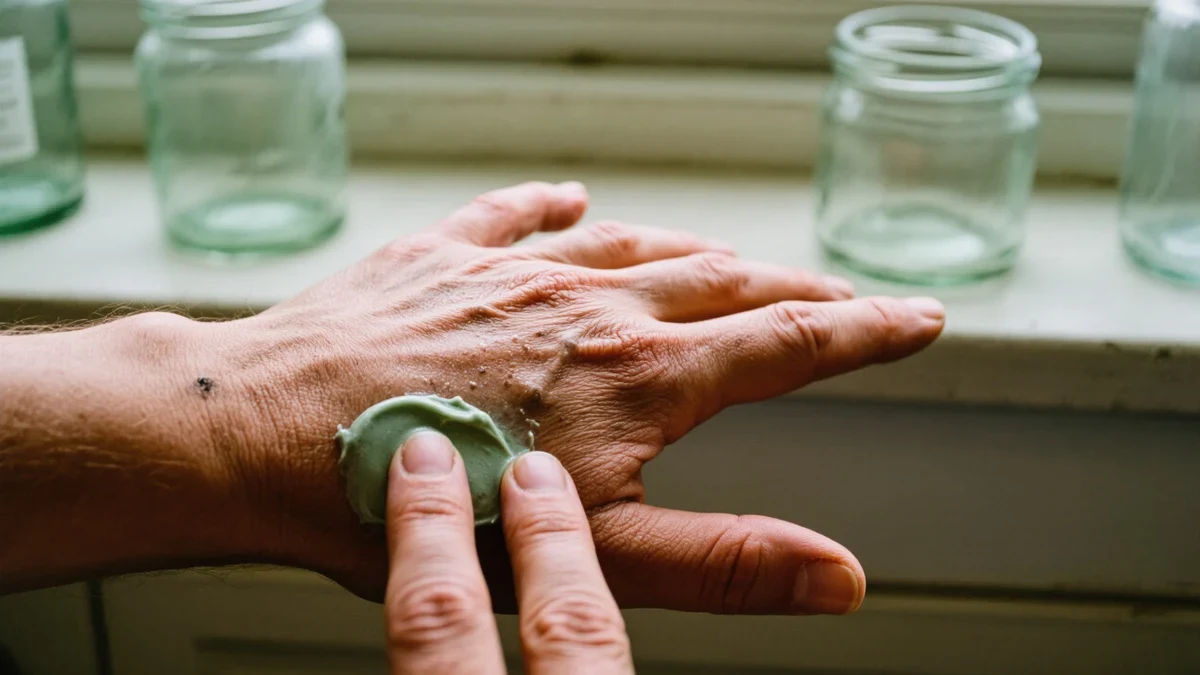
Hand and body skin care follows the same biology as facial care, with two twists: these areas get more washing trauma and less sunscreen. The American Academy of Dermatology's guidance is concrete: wash hands for at least 20 seconds in lukewarm water, dry with a clean towel but leave some water on the skin, and apply hand cream or ointment to damp skin, working it into fingertips and nails.
Why Do Hands Need Different Care From the Face?
Hands are washed far more often than any other skin surface, and each wash with soap strips lipids from the barrier. The AAD's page on dry skin relief from handwashing prescribes the countermeasure precisely: keep water lukewarm rather than hot, use soap on every part of the hands including between the fingers and around the nails, and seal residual dampness with cream or ointment immediately. The damp-skin step matters because moisturizers work partly by trapping existing water against the skin.
The back of the hand is also where sun damage and aging show early, because it rides on top of a steering wheel and out of sleeves for decades while the face gets the SPF. Dermatologists routinely point to the dorsum of the hands when patients ask about age spots. Practically, this means the two products that matter most for hands are the same two that matter for the face: a daily moisturizer and a sunscreen, applied to the backs of the hands whenever they will see sun.
What Kind of Moisturizer Should Go on the Body?
Thickness beats wateriness. The AAD's tips for relieving dry skin state it directly: ointments and creams add more moisture to skin and are more effective than lotions. Lotions, which are mostly water with some oil, evaporate quickly, while creams and ointments, which are mostly oil, sit on the barrier and hold water in.
| Format | Composition | Best use, per AAD guidance |
|---|---|---|
| Ointment | Highest oil content | Very dry, cracked areas; overnight hand repair |
| Cream | Oil-rich, some water | Daily body and hand moisture; damp-skin application |
| Lotion | Water-rich, lighter oil | Mild dryness; convenient but less effective for very dry skin |
Timing multiplies the effect. A short shower or bath in warm water can add moisture to the skin, the AAD notes, and applying moisturizer within a few minutes of bathing, while skin is still damp, traps that water. The same page recommends boosting home humidity in dry seasons and carrying a non-greasy hand cream for reapplication after each washing.
How Should a Full-Body Routine Be Ordered?
A body routine has fewer moving parts than a facial one, and the order is mechanical.
- Cleanse with lukewarm, not hot, water using a mild cleanser, keeping showers short enough that skin never feels tight afterward.
- Pat dry gently, leaving the skin slightly damp rather than bone dry.
- Apply cream or ointment to damp skin within a few minutes, covering legs, arms, back, and the hands' backs, where dryness and sun damage concentrate.
- Reapply hand cream after every wash, per the AAD, working it into fingertips and nails where washing trauma concentrates.
- Finish morning routines with sunscreen on all sun-exposed body skin: hands, forearms, neck and chest, and any parting line in the hair.
The chest and neck deserve the same cream logic as the face, since the skin there is thin and sun-exposed. Elbows, knees, and heels, the thick-skinned dry zones, take ointment at night without complaint.
When Is Body Dryness a Medical Issue?
Ordinary dry skin is rough, flaky, and sometimes itchy, and it responds to the routine above within a couple of weeks. Several conditions do not, and they have names. Eczema presents with intensely itchy, inflamed patches; psoriasis shows well-demarcated scaly plaques, often on elbows and knees; and hand dermatitis can crack and weep after repeated washing exposures. The AAD notes that persistent dryness paired with inflammation warrants professional diagnosis, because each condition has specific prescription treatments.
Red flags that move a case from shelf to doctor include cracking that bleeds, itching that disrupts sleep, spreading redness, and any rash that does not improve with consistent moisturizing after two to three weeks. Age and circulation changes, diabetes, and thyroid disease can also present as unusually dry skin, which is another reason stubborn dryness deserves a look rather than another jar. A dermatologist can distinguish between them in a single visit, and early treatment changes outcomes for the inflammatory conditions.
How Do Body Care Ingredients Compare With Face Care?
The ingredient overlaps heavily, which is good news for budget and shelf space. Ceramides, glycerin, hyaluronic acid, urea, and lanolin work on body skin by the same mechanisms dermatologists cite for the face: humectants pull water, occlusives seal it, and barrier lipids replenish what washing strips. Urea deserves special mention for the body because it is both a humectant and a keratolytic, softening the thick scales on heels, elbows, and knees at the concentrations used in foot and body creams, a use well covered in dermatological formularies.
The differences are about concentration and tolerance, not identity. Body skin is generally thicker and less reactive than facial skin, which is why body creams can carry higher concentrations of urea or lactic acid without the sting the same formula would cause on the face. The reverse also holds: facial actives like retinoids are not routinely necessary below the neck, and using them on large body areas multiplies irritation and cost without an evidence reason for most people.
Fragrance is where body products most often diverge from face products, and it is the most common trigger of irritation on body skin, since scented lotions are applied over large areas repeatedly. Dermatologists' default advice for anyone with sensitive or eczema-prone skin is fragrance-free across the board, which the AAD echoes in its guidance on choosing products for easily irritated skin. Happy skin can enjoy scent; complaining skin should not.
What Is Worth Skipping on the Body Shelf?
Body care marketing tends to sell scent and concept, from cellulite creams to vague wellness vocabulary, and the evidence for those categories is thin to absent. What the dermatological guidance supports is unglamorous: mild cleansing, cream or ointment on damp skin, hand cream after washing, and sunscreen on exposed areas every day. Fragrance is a personal preference, and scented products are fine when skin is happy, but persistently itchy or reactive skin does better on fragrance-free formats, which dermatologists recommend as the default for sensitive skin.
Exfoliation for the body is similarly optional. A washcloth or mild chemical exfoliant occasionally smooths rough upper arms, but physical scrubs on dry, compromised skin create the problem they claim to solve. The reader's money, per everything the AAD publishes on the topic, goes furthest in the cream and sunscreen aisles.
This article is for informational purposes only and is not medical advice. For questions about your skin, hair, or scalp, consult a dermatologist or qualified healthcare professional.