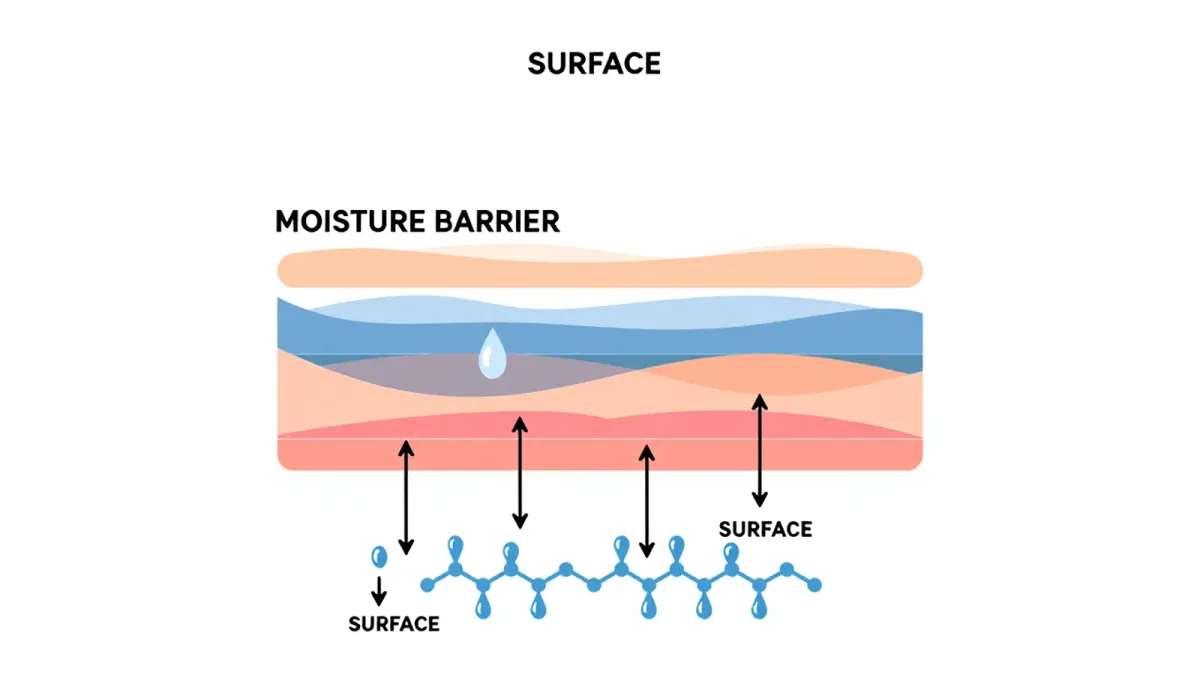
Sugar affects skin aging through a process called glycation: sugar molecules bind to proteins such as collagen, forming stiff structures known as advanced glycation end-products. These end-products make collagen less flexible and harder for the skin to renew, which research links to stiffer, less elastic skin over time. The mechanism is well documented; the dramatic "quit sugar, erase wrinkles" claims that follow it are not.
The honest picture sits between two extremes. Glycation happens in everyone, slowly, and it accelerates when blood sugar runs high for long periods. But it is one factor among many in skin aging, and no study in the popular coverage suggests that cutting out an occasional dessert will visibly change a face. What the evidence supports is a slower, steadier relationship between long-term sugar intake and skin structure.
This guide separates the two: what glycation is, what named research says it does to collagen, and where the marketing overreaches. It sits alongside other evidence-first pieces on the wellness desk, including how diet, hair, and skin actually connect.
What is glycation, in plain terms?
Glycation is a chemical reaction, not a digestive one. When sugar molecules circulate in the blood, they can attach themselves to proteins and fats without any enzyme directing the process. Scientists call the resulting compounds advanced glycation end-products, often shortened to AGEs. The name is apt: these compounds accumulate in tissue over years.
Collagen and elastin, the proteins that keep skin firm and springy, are long-lived proteins. That makes them prime targets. Once sugar binds to them, the cross-linked protein loses some of its flexibility, and the cross-links resist the body's normal cleanup processes. Skin does not stop working. It simply becomes, gradually, a stiffer material.
Two things speed the reaction up. One is chronically high blood sugar, which puts more sugar molecules in circulation to bind with. The other is external exposure: foods cooked at high heat by dry methods, such as grilling, roasting, or frying, contain pre-formed AGEs that research suggests can add to the body's load. Both routes matter far less in youth, when the body clears damaged protein efficiently, than they do over decades.
What does the research say about collagen and elasticity?
The clearest findings come from diabetes research, where glycation has been studied for decades. In people with long-term high blood sugar, AGEs accumulate in skin and blood vessels, and skin stiffness measurably increases. Researchers now use skin stiffness as a proxy for how much glycation has occurred, because the relationship is consistent enough to measure.
For people without diabetes, the picture is a matter of degree rather than kind. The same chemistry runs at lower intensity, and it compounds over the years. Glycated collagen is also more fragile and, according to published dermatology work, somewhat more resistant to the enzymes that normally remodel it. That means the skin's renewal system works harder on glycated tissue and clears less of it. This connects to our earlier piece, How Poor Sleep Changes Your Skin, According to Dermatology Research.
What the research does not show is equally important. No widely cited study demonstrates that reducing sugar intake reverses existing glycation damage in skin, and no study establishes a specific daily sugar threshold below which skin aging stops. The honest reading is that glycation is a slow, cumulative process, and the strongest lever is long-term blood-sugar stability, not short-term dietary heroics.
Where does the anti-sugar marketing overreach?
Sugar-restriction messaging often borrows real science and stretches it. The glycation mechanism is genuine, but marketing claims routinely leap from it to promises that a sugar-free diet will firm skin, clear wrinkles, or deliver a visible glow within weeks. None of those timelines appears in the underlying research. Glycated collagen persists for years, and no cosmetic or dietary intervention has documented evidence of reversing it.
Sugar also gets blamed for skin problems it has not been shown to cause. The evidence for sugar directly causing acne, for example, is limited and mixed, and it is weaker than the marketing implies. What the literature supports is a broader dietary pattern effect, not a single-ingredient villain.
That said, the case for moderating sugar does not rest on skin alone. As Science News Today reports in its overview of sugar's effects on the body, one long-term study found that people who derived 25 percent or more of their daily calories from added sugar had more than double the risk of dying from heart disease compared with those who kept intake under 10 percent, a link that held even among people who were not overweight. Heart and metabolic health are the well-documented stakes here; skin is a secondary, slower-moving one.
Where sugar actually hides in a normal diet
The obvious sources are easy to spot. The less obvious ones matter more, because most added sugar now arrives in foods that do not taste especially sweet. Science News Today notes that sugar hides not only in desserts but also in bread, pasta sauce, salad dressings, yogurt, and even foods marketed as healthy.
Reading labels is the practical defense. Sugar appears under many names on ingredient lists, including sucrose, high-fructose corn syrup, honey, agave, molasses, and cane sugar. Per the same overview, the body processes these in similar ways, breaking them down into glucose and fructose. A yogurt sweetened with agave is not a low-sugar yogurt; it is a yogurt with a different sweetener on the label.
Cooking method is a second, quieter source. Browned, crisped, and charred foods carry pre-formed AGEs created by the Maillard reaction, the same chemistry that makes toast golden. Choosing gentler methods more often, such as steaming, simmering, or braising, reduces that external load without requiring any special products.
What this means for a skin-focused routine
Our analysis of the evidence points to patience and proportion, not restriction theater. The supported moves are unglamorous:
- Keep added sugar moderate over the long run, with attention to the hidden sources in sauces, breads, and flavored dairy.
- Favor gentler cooking methods when it is easy to do so, since high-heat dry cooking adds pre-formed AGEs.
- Protect the collagen you have with the interventions that do have named evidence behind them: daily sun protection, not smoking, and adequate sleep. Poor sleep, in particular, has its own documented effects on skin, covered in the desk's piece on how poor sleep changes skin.
- Treat any product marketed as an "anti-glycation" cream with the same skepticism as any other miracle framing. Topical products act on the skin's surface; glycation happens throughout the dermis.
Stress and sleep round out the picture, since both raise the body's inflammatory load and both have documented skin effects. Readers who want the wider context can find it in the coverage of how chronic stress shows up in skin, per a meta-analysis.
The bottom line on sugar and skin aging
The evidence establishes a real, slow mechanism: glycation stiffens long-lived collagen and elastin, and it runs faster when blood sugar stays high. It also establishes the limits. Glycation is one contributor to skin aging among many, no study shows that cutting sugar reverses existing damage, and no sugar threshold for skin health has been defined. The reasonable response is long-term moderation, label awareness, and skin care with actual evidence behind it, not a fear of every dessert.