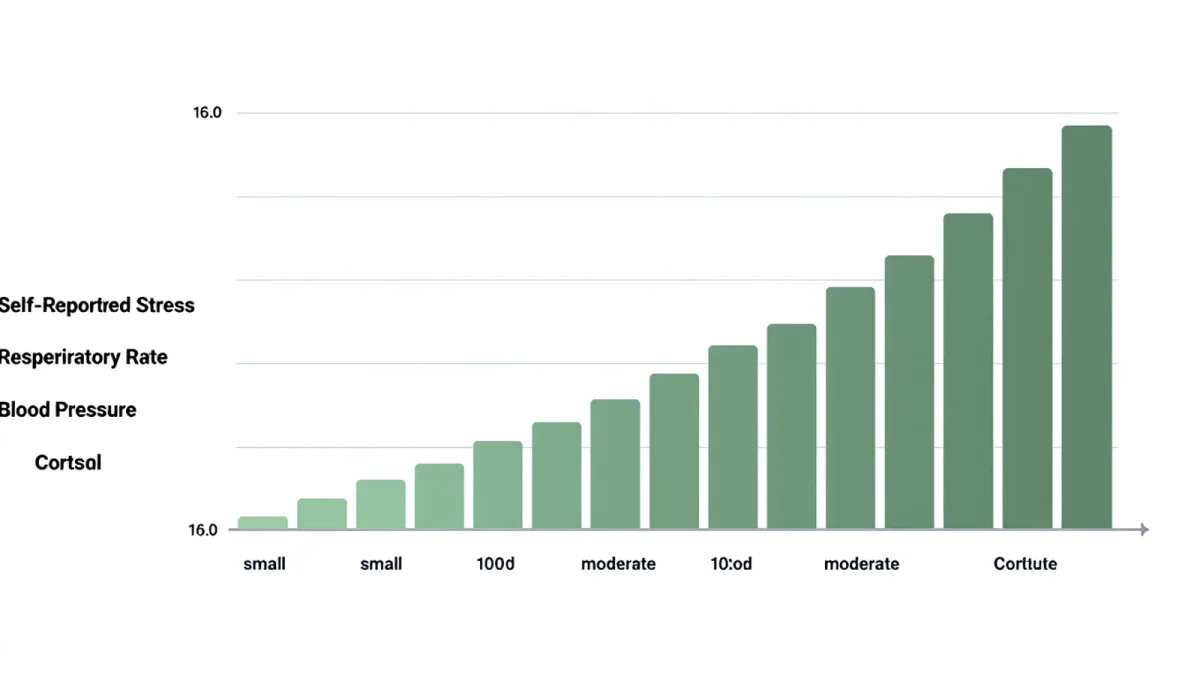
Chronic stress shows up in skin with numbers attached: across 113 studies, the pooled prevalence of stress among patients with skin diseases was 39.4%, and among acne patients specifically, 75.7% experienced stress, according to a systematic review and meta-analysis published in the Journal of Prevention in 2024.
What is the stress-skin connection?
The meta-analysis, by N. Salari and colleagues, which searched PubMed, Scopus, Embase, and other repositories without a lower time limit, frames the relationship as bidirectional: skin disease raises psychological burden, and psychological burden in turn worsens quality of life and, the authors argue, clinical management. Stress was the most prevalent of the three mental-health measures they tracked, ahead of depression at 27.2% and anxiety at 28.8%. Acne patients carried the highest stress share at 75.7%, while vitiligo patients showed the highest depression prevalence at 38.3%, per the meta-analysis record on PubMed. These are associations measured in populations, not proof that stress causes breakouts in any one person.
How does stress reach the skin mechanically?
Research on sleep offers one traced pathway. A review in Dermatologic Therapy by the Universidade Federal de São Paulo group describes sleep loss as a stressful state that may disturb skin hydration, blood flow, and the permeability of the surface barrier, and raises the role of sleep disturbance in skin aging and the cutaneous microbiota. Organ integrity and local immunology, the authors write, can be guided by sleep distress, which can modify control of dermatological conditions, per the review on PubMed. Stress hormones and immune signaling are the working links in that chain, though the review is explicit that comparative analyses are still warranted.
What helps, according to the evidence?
The meta-analysis authors recommend that healthcare systems treat psychological support as an integral component of care for patients with skin diseases, which is a meaningful statement: managing stress is part of managing skin, not a lifestyle footnote. Practical steps consistent with that reading include protecting sleep, since the sleep review ties dysregulation directly to skin consequences, and raising stress flares with a dermatologist, since patterns like acne or eczema worsening under pressure are documented in the literature. No cosmetic product reverses chronic stress, and any routine promising otherwise is making a marketing claim. What the evidence supports is simpler and harder: treat the stress load as part of the skin's environment, alongside cleanser and sunscreen.
This article is for general information only and is not medical advice. For persistent skin, hair, or scalp concerns, consult a dermatologist or qualified healthcare professional.