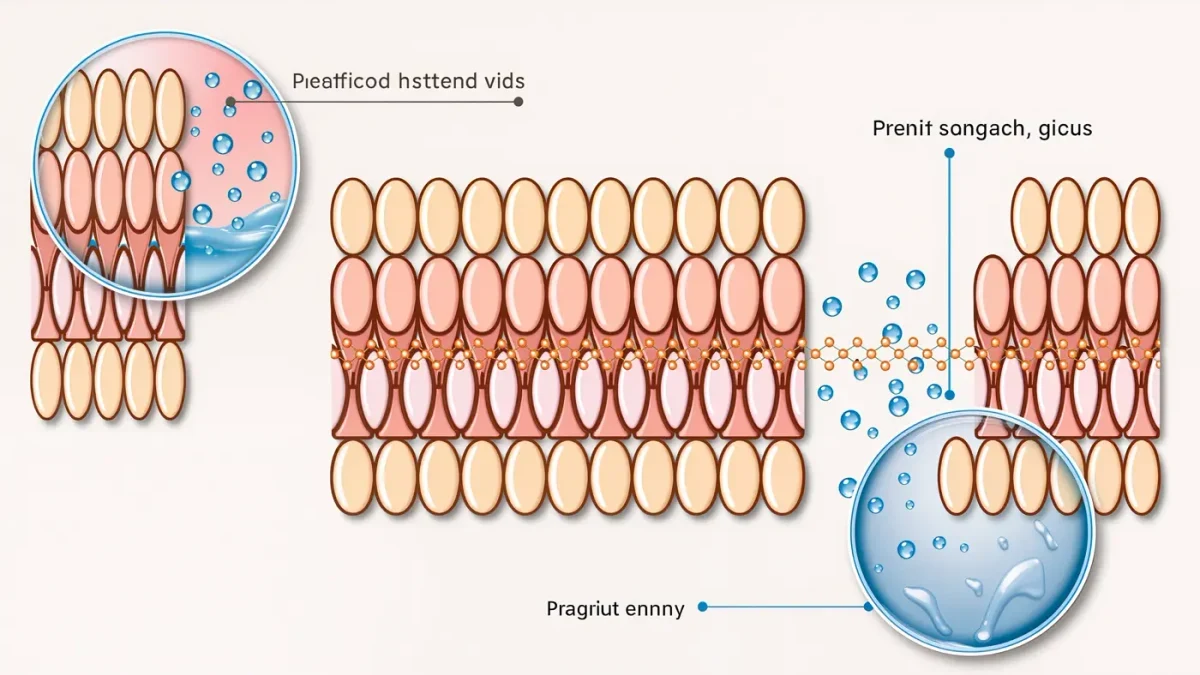
Antioxidants are molecules that neutralize the reactive oxygen species UV light generates in skin before they damage collagen, DNA, and lipids. A review in the journal Nutrients states that normal skin contains high concentrations of vitamin C, supporting collagen synthesis and antioxidant protection against UV-induced photodamage. The serum question is whether the bottle delivers them usefully.
What do antioxidants actually do in skin?
Skin is under constant oxidative stress. UV photons, pollution, and normal metabolism all produce reactive oxygen species, unstable molecules that strip electrons from healthy structures, degrading collagen and triggering pigment pathways. The skin's own antioxidant network, vitamin C prominent among its members, absorbs this damage. The Nutrients review by Pullar, Carr, and Vissers frames the interest precisely: understanding vitamin C's roles is often used as a rationale for adding it to topical applications, but the efficacy of such treatment, as opposed to optimising dietary vitamin C intake, is poorly understood. That sentence deserves to hang over every antioxidant shelf.
The functions themselves are well described. The review notes vitamin C supports collagen synthesis through its role as a cofactor for enzymes that stabilize the collagen triple helix, and assists in photoprotection. Vitamin E works in the lipid phase of cell membranes, interrupting lipid peroxidation. The two recycle each other, which is why they so often appear together, and why ferulic acid, a plant polyphenol, is added to stabilize the pair, a formulation logic with its own laboratory support.
What is the strongest human evidence?
The most-cited human data for a topical combination comes from a study in the Journal of Drugs in Dermatology. Twelve healthy female Chinese subjects applied an antioxidant complex containing vitamins C and E and ferulic acid, or a vehicle, for four consecutive days before a single solar-simulated UV exposure at five times the minimal erythema dose. The authors reported that the complex conferred significant protection against biological events, including sunburn cell formation, thymine dimer formation, and depletion of CD1a-positive Langerhans cells, compared with other irradiated sites, concluding the complex has potential photoprotective effects against acute photodamage.
A separate pharmaceutical study, published in the European Journal of Pharmaceutics and Biopharmaceutics, tackled the stability half of the problem. Researchers loaded vitamin E into a hydrogel with covalently linked ferulic moieties and found the ferulate hydrogel was a more effective carrier in protecting vitamin E from photodegradation than hydrogel without antioxidant moieties. Formulation, in other words, is not packaging detail; it decides whether the active survives the bottle and the daylight.
| Antioxidant | Documented role, per research | Formulation note |
|---|---|---|
| Vitamin C | Collagen synthesis cofactor, antioxidant defense (Nutrients review) | Unstable in water and light; pH-sensitive |
| Vitamin E | Lipid-phase protection, reduces UVB-linked damage (EJPB study) | Photolabile without stabilizers |
| Ferulic acid | Stabilizes vitamin E in carriers (EJPB study) | Used with C and E in combination research |
What should a reader expect from a serum?
Evidence supports antioxidant serums as a supplement to sun protection, never a substitute. The JDD study's protection was measured against a single controlled exposure on pre-treated skin, not a summer of real-life wear, and the Nutrients review is explicit that topical efficacy versus dietary intake remains poorly understood. A reasonable reader framing: an antioxidant layer in the morning may add protection on top of broad-spectrum sunscreen, and the research does not support antioxidant serums as stand-alone photoaging prevention, brightening guarantees, or pigment erasers.
Reading a label helps separate research-backed formulas from antioxidant-flavored ones. The combination with human data is vitamin C with vitamin E and ferulic acid, and the JDD research used it at meaningful concentrations for four consecutive days before exposure. Products listing botanical extracts after the preservatives are claiming the vocabulary without the doses. Concentration and pH determine whether vitamin C arrives active, and brands rarely print either, which is a fair question to ask before paying prestige prices.
How do antioxidants and sunscreen work together?
Think in layers of defense rather than substitutes. Sunscreen filters absorb or reflect photons before they enter skin; antioxidants mop up the reactive species that get through anyway, including from the fraction of UV no filter catches completely. The Journal of Drugs in Dermatology study modeled exactly this complementary role, applying the C, E, and ferulic complex for four consecutive days before a single solar-simulated exposure, and measuring biological damage markers afterward, sunburn cells, thymine dimers, p53 overexpression, and Langerhans cell depletion, rather than redness alone.
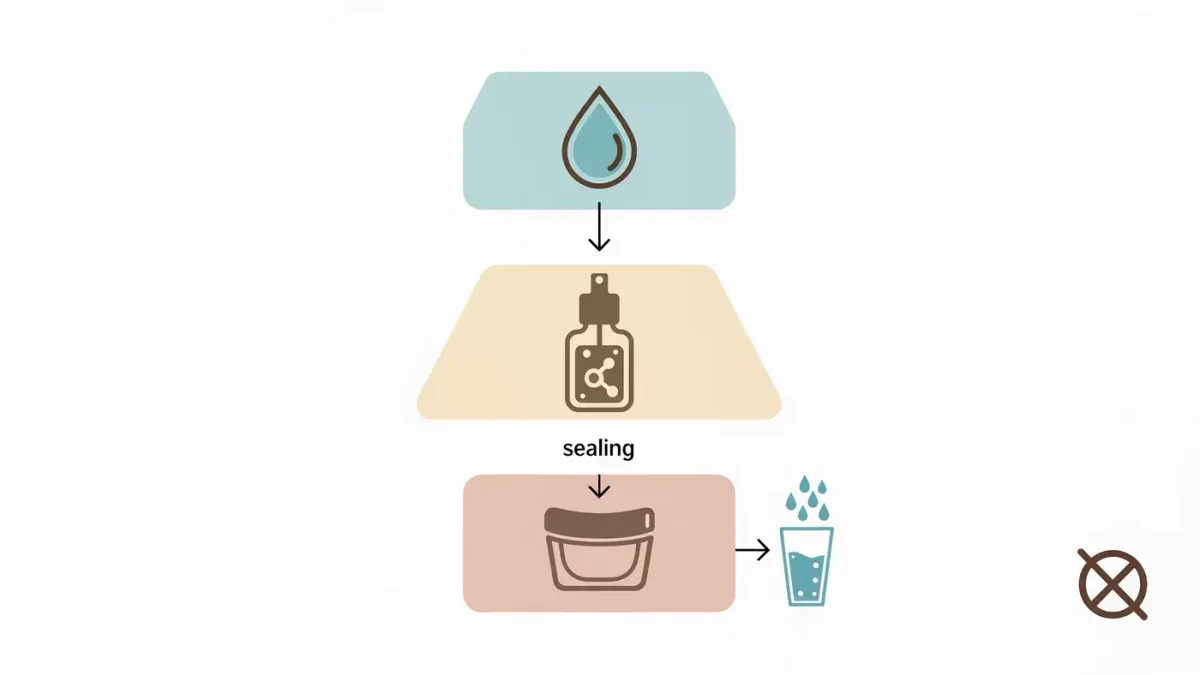
Sequencing in a morning routine follows from the chemistry. Antioxidant serum goes onto clean, dry skin first, where it can partition into the upper layers over minutes, then moisturizer, then sunscreen as the outermost and non-negotiable layer. The order is not ritual, it is solubility and function: the antioxidant needs skin contact, the sunscreen needs to form an intact surface film, and reversing them compromises both. Nothing in the research supports skipping sunscreen on antioxidant days, a shortcut some marketing unfortunately flirts with.
What about diet versus the bottle?
The Nutrients review raises a question most serum articles avoid: whether dietary vitamin C intake matters as much as topical application. Pullar and colleagues note that comparing the efficacy of nutritional intake of vitamin C versus topical application is an open question, and they suggest which skin properties are most likely to benefit from improved nutritional intake. Normal skin contains high concentrations of the vitamin from systemic delivery, and deficiency states show up in skin integrity, so the diet route has biological plausibility the review takes seriously.
For readers, the honest synthesis is that both channels are supported and neither is optimized. A diet chronically low in fruits and vegetables is not rescued by a serum, and a well-formulated topical may deliver higher local concentrations to the skin surface than circulation does. The evidence simply has not ranked them for cosmetic outcomes, which is a fine reason to do both and an equally fine reason to distrust any product framing diet as irrelevant or topicals as optional.
What does the research not show?
No study cited here shows antioxidants reversing existing wrinkles, and none addresses the long-term outcomes of daily cosmetic use across skin tones and ages, the JDD trial enrolled twelve subjects in one protocol. The stability research concerns carrier systems, not finished retail products. Readers wanting the primary papers can read the Nutrients review on vitamin C in skin health, the Journal of Drugs in Dermatology photoprotection study, and the European Journal of Pharmaceutics and Biopharmaceutics carrier study.
This article is for informational purposes only and does not constitute medical advice. Skincare and haircare needs vary by individual; consult a dermatologist or qualified healthcare professional before starting any new treatment, especially for persistent skin, scalp, or hair concerns.