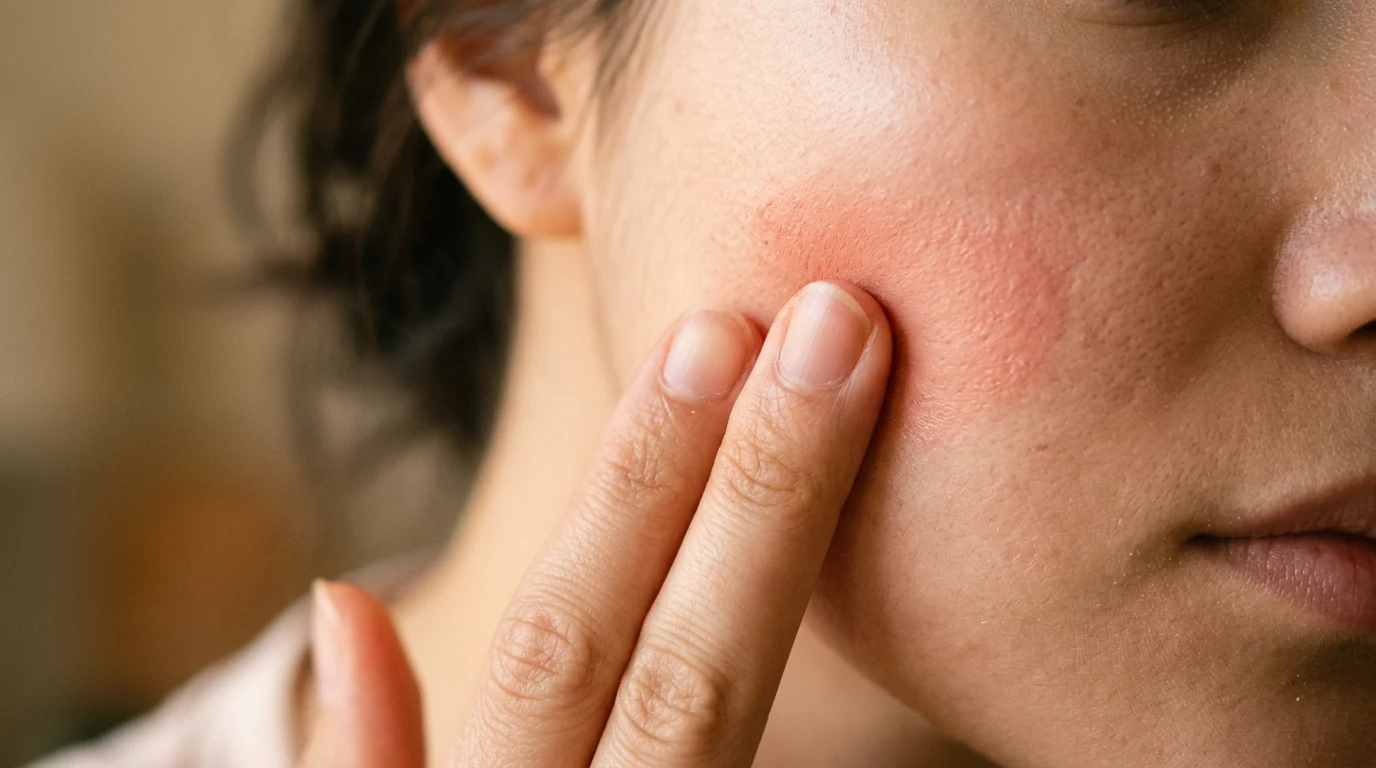
Removing makeup gently matters more than removing it aggressively: a clinical trial in the Journal of Cosmetic Dermatology found that when 35 women switched to a cleansing oil that needed less rubbing, dryness, scaling, and itchiness decreased within four weeks. The study, run by Kao Corporation skin researchers, concluded that harsh rubbing itself worsens skin.
What actually happens to skin during makeup removal?
Every remover works by some version of the same chemistry: an ingredient lifts pigment, oil, and film-formers off the skin so water can rinse them away. In rinse-off cleansers, that job belongs to surfactants, and a 2025 review in Colloids and Surfaces B: Biointerfaces explains that surfactant exposure is linked in a growing body of research to lipid disruption, protein denaturation, and inflammatory responses. The same review reports that structure matters: strongly anionic surfactants such as sodium lauryl sulfate are the most irritating, while amphoteric and nonionic types show better tolerance.
That is the mechanistic case for matching the remover to the makeup rather than scrubbing harder. Waterproof mascara and long-wear foundations are built with film-formers and waxes that resist water, so they need an oil, balm, or micellar phase to dissolve, not friction. The Kao trial frames the stakes plainly: patients rubbed hard precisely because their cleanser lacked cleansing ability, and their skin bore the cost. A more efficient formula, not more pressure, is what removed the problem.
Which removal method is right for what you wear?
The options differ mainly in what they dissolve and what they leave behind, which is where the evidence and formulation logic point:
| Method | Best suited for | Evidence and formulation note |
|---|---|---|
| Cleansing oil or balm | Long-wear base, waterproof mascara, SPF layers | Dissolves waxes and film-formers with minimal rubbing, per the mechanism described in the Kao trial |
| Micellar water | Light makeup, sensitive skin, quick removal | Mild surfactants held in micelles; nonionic surfactants show better skin tolerance per the 2025 surfactant review |
| Cream or lotion cleanser | Dry or reactive skin | Low-foam, nonionic surfactant systems limit lipid disruption, per the same review |
| Face wipe | Travel or occasional use | Relies on rubbing force, the exact factor the Kao trial linked to worsened skin condition |
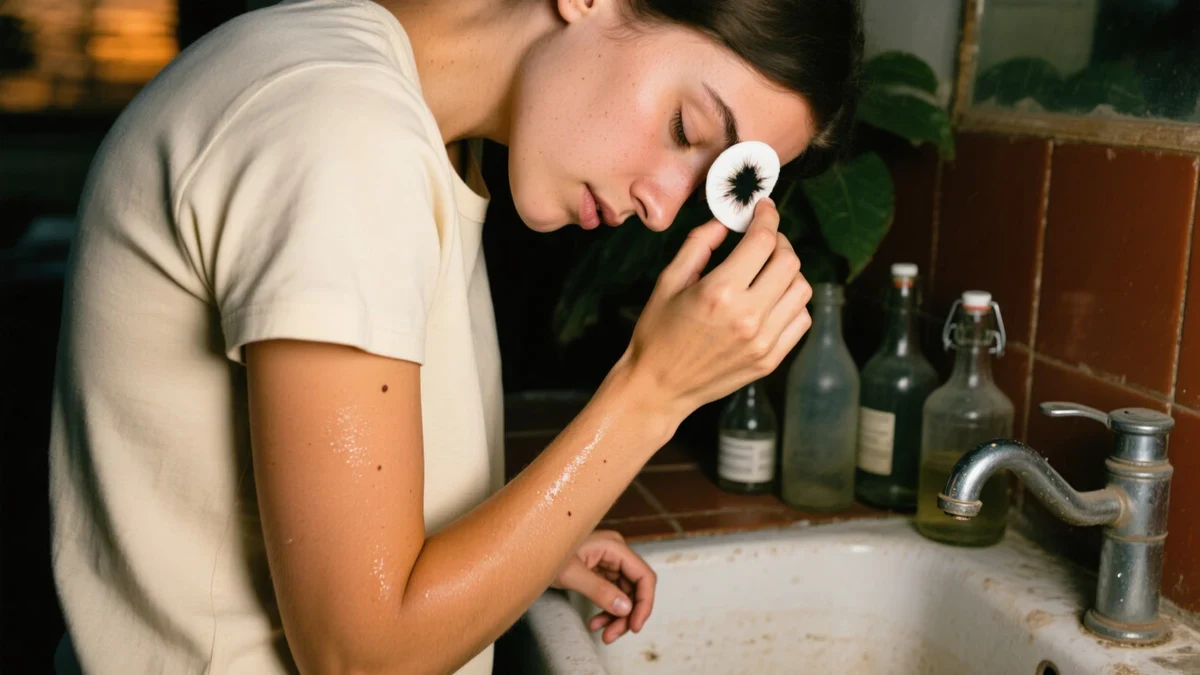
Eye makeup deserves its own note. The skin of the eyelid is thin, and rubbing there stretches it repeatedly, which is why the Kao trial's finding about friction reads differently at the eye than at the cheek. Waterproof mascara is the product most likely to provoke a scrub, and it is also the product most in need of a dissolving remover rather than force, since its film-formers are engineered to resist exactly the water a frustrated rinse relies on.
Is double cleansing necessary?
The honest answer is that it depends on what the first cleanse dissolved, and the surfactant literature explains why. Every wash is a dose of surfactant exposure, and the Colloids and Surfaces B review links that exposure to lipid disruption and protein denaturation in a dose-and-structure-dependent way. A second full cleanse doubles the dose for skin that may not need it, which is a reasonable trade on a heavy SPF-and-foundation day and a questionable one over light makeup. The efficient move is one well-chosen formula given time to work, then a rinse.
For waterproof mascara and long-wear pigments specifically, the practical compromise is targeted rather than repeated cleansing: an oil or balm held on the eye area for several seconds lifts waterproof formulas, which are built with film-formers designed to resist water but not oils. Readers with reactive skin can treat the second cleanse as an occasional tool rather than a nightly default, and watch how skin feels over a fortnight before deciding the ritual is essential.
None of this is a case for sleeping in makeup, which extends preservative and pigment contact overnight and adds pillow friction. The choice being weighed is between one gentle, thorough removal and two, not between one and zero.
Can removal habits age or irritate the eye area?
The eyelid deserves its own caution. Its skin is among the thinnest on the body, and it is where the contact dermatitis literature keeps finding makeup removers implicated. In the Clinical Reviews in Allergy and Immunology review, dermatologist Matthew Zirwas lists makeup remover among the most common sources of eyelid dermatitis, alongside mascara, shampoo, and nail polish transferred by touch, and notes the face overall sees the greatest number of cosmetics of any body area. Persistent eyelid irritation is therefore a patch-testing question, not a brand-hopping question.
On aging, the evidence is quieter than the marketing. No reviewed trial shows makeup removal causing wrinkles, and claims that tugging at the eye area creates lines overstate what is documented. What the Kao trial does establish is a measurable harm from repeated hard rubbing, worse dryness, scaling, and irritation, which resolved when the rubbing stopped. That is reason enough to keep pressure low without dramatizing the stakes.
Why do some people react to makeup removers?
Removal products are a frequent player in cosmetic allergy. A review in Clinical Reviews in Allergy and Immunology by dermatologist Matthew Zirwas notes that allergic contact dermatitis to cosmetics is probably the most common reason patients present for patch testing, and lists makeup remover among the products most often implicated in eyelid dermatitis, alongside shampoo, mascara, and nail polish transferred by touch. Fragrance and preservative ingredients are the usual suspects rather than the cleansing base itself.
The practical takeaway from that literature is to treat persistent eyelid or facial irritation as information, not bad luck. A dermatologist can patch-test and identify the specific allergen, which is far more reliable than guessing by switching brands. In the meantime, the Zirwas review suggests low-allergenicity products as an interim step once contact dermatitis is suspected.
What does a low-friction removal routine look like?
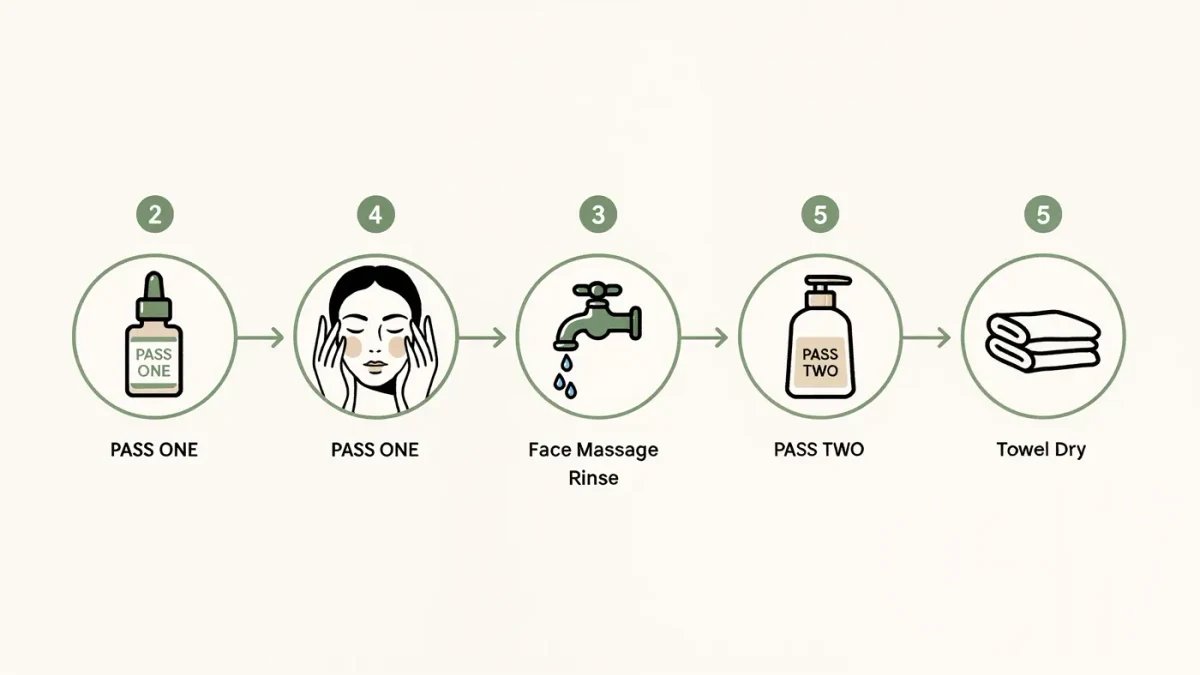
Assembled from the sources above, the process rewards patience over pressure:
- Apply the remover to dry skin and let it sit for several seconds so it dissolves makeup before any wiping begins.
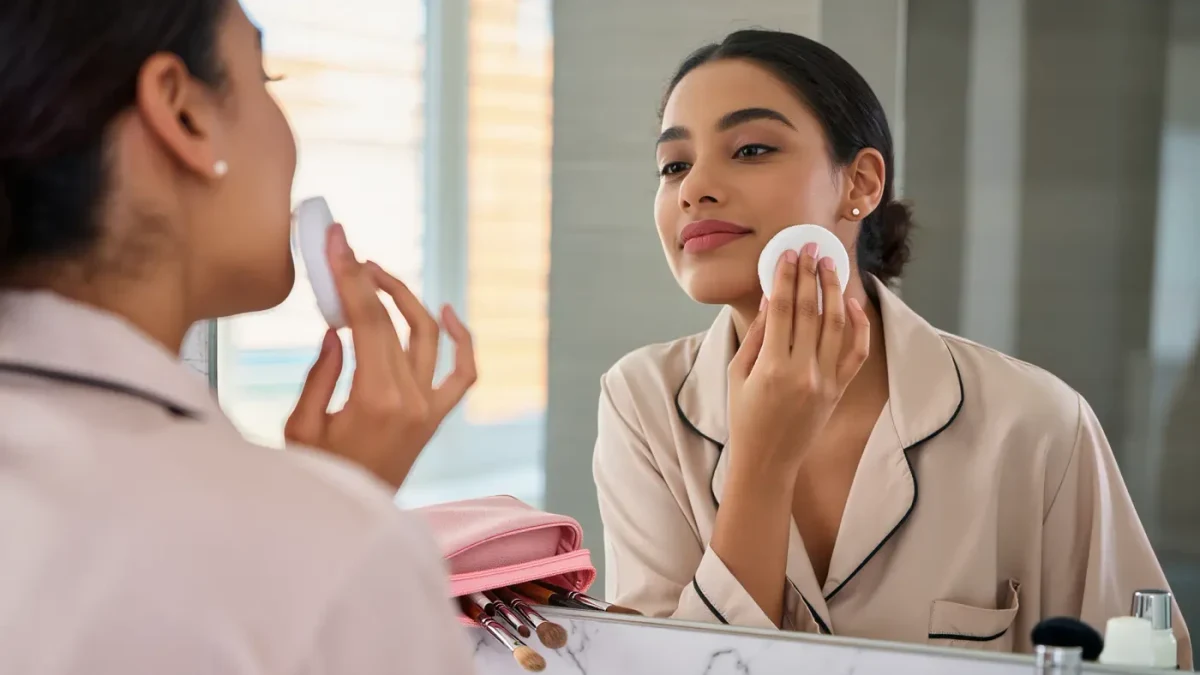
- Use flat fingertips or a soft reusable pad, sweeping once per pass rather than scrubbing back and forth.
- Rinse or follow with a gentle, non-soap cleanser, since residue can itself irritate, as the surfactant literature on leave-on exposure notes.
- Pat dry with a clean cotton towel instead of rubbing.
- Moisturize immediately, because removal also removes some skin lipids along with the makeup.
One more habit earns its place: removing makeup before sleep, every night. Sleeping in foundation extends the time film-formers, pigments, and preservatives sit on the skin, and the friction of a pillow adds the mechanical stress the Kao trial spent four weeks correcting.
This article is for informational purposes only and is not medical advice. It does not diagnose or treat any skin or hair condition. For persistent redness, breakouts, hair loss, or scalp symptoms, consult a dermatologist or qualified healthcare professional.