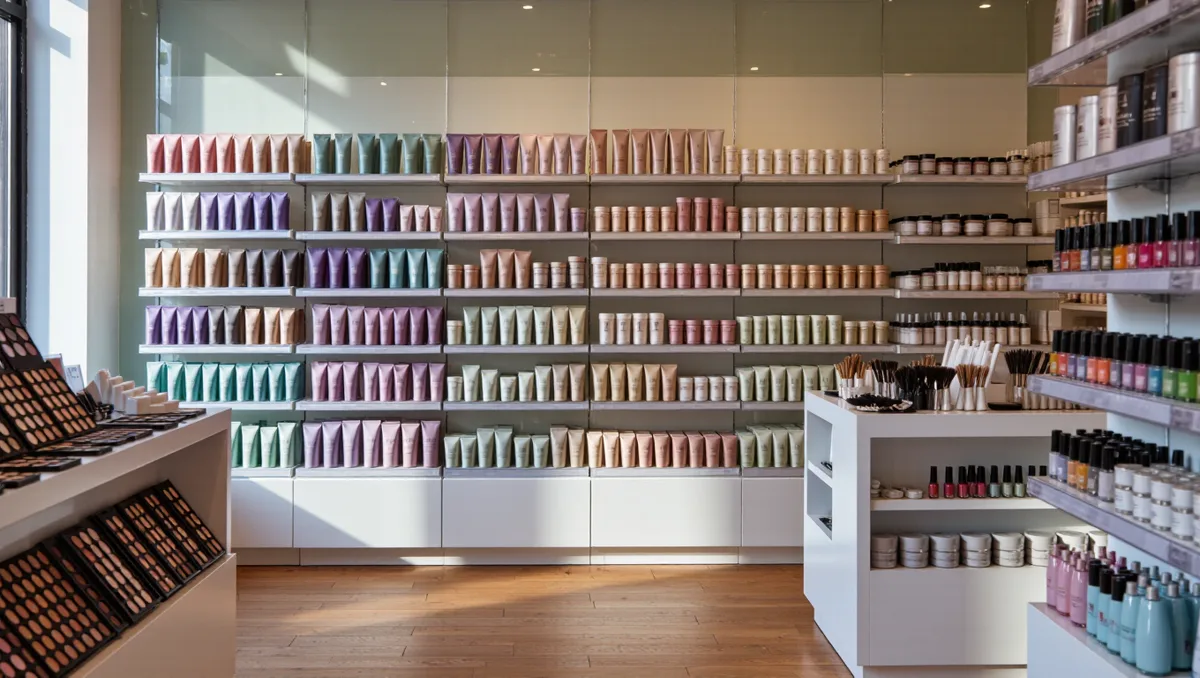
Beauty packaging in the European Union entered a new regulatory era on 12 August 2026, the application date of the Packaging and Packaging Waste Regulation, Regulation (EU) 2025/40, which the European Commission lists as in force since 11 February 2025. The regulation's headline goal is to make all packaging on the EU market recyclable in an economically viable way by 2030, a deadline that reaches every serum bottle and compact on European beauty shelves.
What Is the New EU Packaging Regulation?
The PPWR replaces the 1994 packaging directive with a directly applicable regulation, meaning member states do not transpose it into national law individually; it binds at once. The European Commission's packaging waste page states the framework's status plainly: in force since 11 February 2025, application date 12 August 2026, with the recyclability objective written as making all packaging on the EU market recyclable in an economically viable way by 2030. It also introduces restrictions on certain single-use plastic formats, including individual portions and sachets, a format the beauty industry uses heavily for samples.
For cosmetics specifically, the design consequences are structural rather than cosmetic. Recyclability grades, minimum recycled-content requirements for plastic packaging, and empty-space ratio limits for e-commerce shipping all push brands toward mono-material packaging and away from the mixed-material pumps, metallized lids, and decorative sleeves that have defined prestige beauty packaging for decades.
What Changed Most Recently, in 2026?
The first practical adjustment arrived in February 2026, and it showed how the regulation's reuse targets are already being tuned. As reported by Packaging Gateway, the European Commission adopted a delegated act removing the obligation for pallet wrapping and straps to meet a strict 100 percent reuse requirement, while the broader regulation still requires transport and sales packaging to meet an overall reuse target of 40 percent by 1 January 2030, per the outlet's coverage of the delegated act.
The episode is instructive for beauty watchers. Reuse and refill architecture, refill pouches, returnable glass, and pooled transport packaging, is a core PPWR lever, and the delegated act signaled the Commission will calibrate where a 100 percent reuse mandate is impractical. Beauty brands shipping fragile glass in secondary packaging watched that calibration closely, because transport packaging decisions ripple into what consumers unbox.
What Do the Rules Mean for Beauty Packaging Specifically?
The concrete pressure points for a cosmetics bottle are threefold.
| Requirement direction | What it targets | Beauty impact |
|---|---|---|
| Recyclability by 2030 | All packaging on the EU market | Mixed-material pumps and decorative sleeves face redesign toward mono-materials |
| Reuse targets | 40 percent by 1 January 2030 for transport and sales packaging, per Packaging Gateway | Refill systems and returnable formats move from marketing to compliance |
| Empty-space and format limits | Oversized e-commerce boxes, single-use sachets | Sample sachets and oversized shipping cartons shrink or disappear |
The sachet restriction is the most consumer-visible change on the horizon, since single-use cosmetic samples in plastic sachets sit adjacent to the restricted condiment-style formats. Oversized packaging, the box-in-a-box unboxing experience, is squarely what empty-space ratio rules target. Neither means beauty packaging becomes plain; it means decoration has to survive a recyclability assessment.
Compostable and bio-based plastics, meanwhile, remain a gray zone under the framework rather than a free pass. A compostable sachet still has to be recoverable in practice, and material that composts only in industrial facilities can be worse than recyclable plastic where collection infrastructure is missing. Readers evaluating on-pack compostable claims should treat them as material claims to verify against local waste systems, not as an automatic upgrade over a recyclable mono-material bottle.
Should Shoppers Expect Different Packaging Soon?
Yes, gradually, and the first changes will look boring in the best way: clearer material labels, less mixed-plastic hardware, and refill pouches that use a fraction of the plastic of a rigid bottle. Brand sustainability messaging will also have to tighten, because the regulation standardizes labels and claims around recyclability and recycled content, narrowing the space for vague eco-vocabulary on pack. Readers should treat on-pack recycling symbols as regulatory artifacts going forward, not brand decoration.
The transition also lands on different price tiers unevenly. Large groups can amortize redesign across global volume, while small independent brands face the same recyclability engineering with a fraction of the budget, which is why industry observers expect consolidation in packaging supply rather than overnight shelf transformation. Refill architecture, already visible in haircare and body care, is the likeliest first mainstream expression of the reuse targets, since a returnable or pouch-based system can be phased in one product line at a time without redesigning every SKU in a catalog.
Outside the EU, the direction of travel is similar even where the law differs, since global brands rarely maintain two packaging platforms for one product line. United States shoppers will see EU-driven design choices on shelves that American regulation does not yet require. What the evidence does not support is the assumption that any of this changes what is inside the bottle: formulation safety and labeling are governed by separate cosmetics rules, and packaging law governs the box, the pump, and the sachet, not the serum.
This article is for informational purposes only and is not medical advice. For questions about your skin, hair, or scalp, consult a dermatologist or qualified healthcare professional.