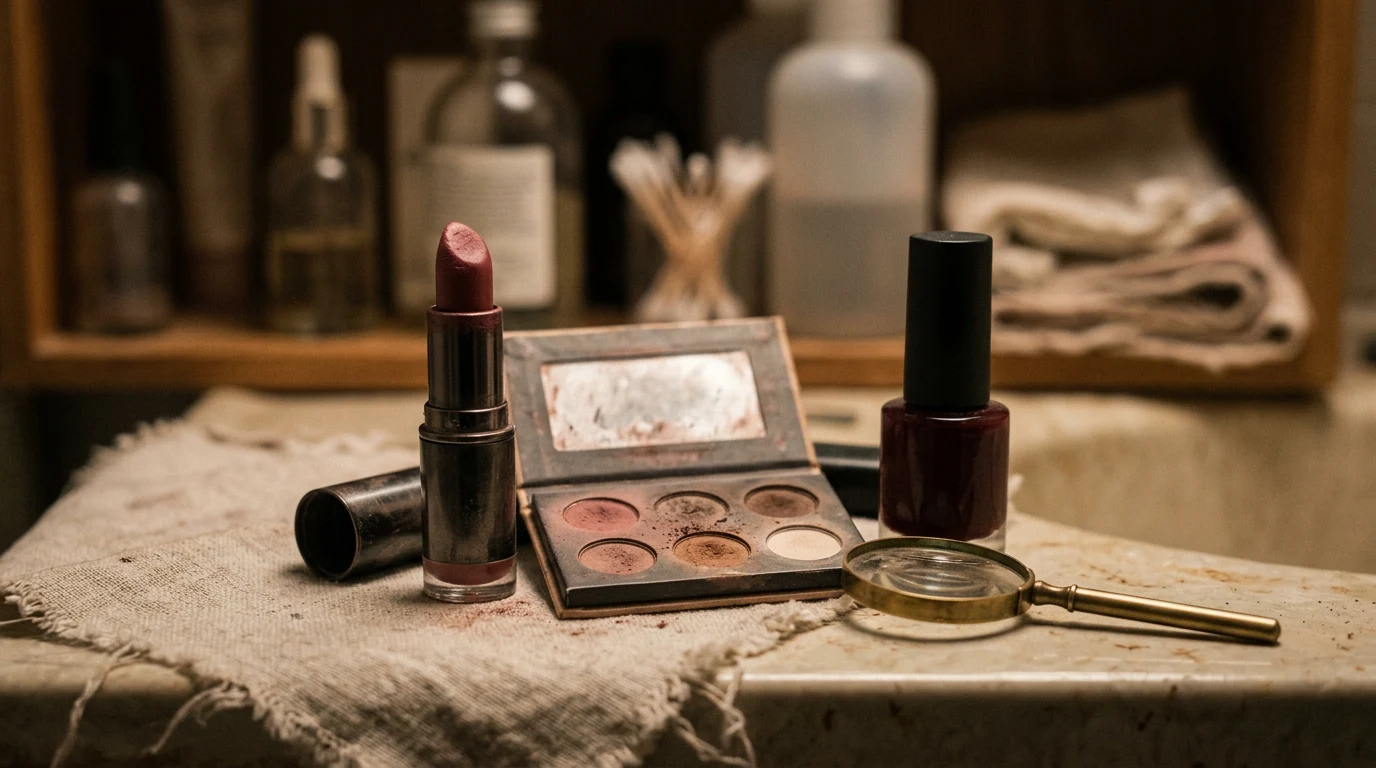
From 27 September 2026, beauty brands selling in the EU will no longer be permitted to use sustainability labels that are not based on an established certification scheme or issued by a public authority, per an August 11, 2026 Baker McKenzie legal alert. The same rules ban generic claims like "green" or "sustainable" unless substantiated by recognised, verifiable environmental performance.
What is changing, exactly?
The instrument is Directive (EU) 2024/825 — the Empowering Consumers for the Green Transition, or EmpCo, Directive — which amends the EU's Unfair Commercial Practices Directive. Per Baker McKenzie's alert, the new rules "impose stricter requirements on the use of sustainability labels and environmental marketing claims" and are expected to have far-reaching implications for businesses in consumer markets.
Two further restrictions matter for beauty specifically. Claims about a whole product will be prohibited where the benefit concerns only one aspect or characteristic of it — a common pattern in packaging messaging, where a recyclable cap quietly stands in for the whole jar. And environmental claims based solely on offsetting are squarely in the rules' line of sight, per the alert's analysis of generic-claim restrictions.
The industry has been preparing. Trade body Cosmetics Europe reissued guidance on environmental claims and sustainability labels in July 2026, covering definitions of claims such as biobased, vegan-equals-better, and fully biodegradable, per a regulatory summary of that guidance.
Why does this matter for a reader's shelf?
EU rules effectively set global label standards, because multinational brands rarely print separate packaging per market. In practice, readers should expect vague eco-badges to disappear or gain certification marks, and terms like "clean" and "green" to carry less weight on the front of the bottle than the ingredient list on the back — where Nenna Beauty readers already live.
For label literacy, the timing is useful. Baker McKenzie advises companies to review marketing materials, product labelling, sustainability communications and brand portfolios before the September 27 application date, per the firm's "Final Call" alert. Enforcement risk, the firm notes, extends to unfair competition and trademark law, and member states must apply the new rules nationally.
What the rules do not do is certify that a labeled product is environmentally superior; they restrict what can be claimed and how it must be verified. A certification-backed label remains a claim to be read, not a substitute for reading the formula.
This article is for informational purposes only and does not constitute legal or medical advice. For skin concerns, consult a dermatologist or qualified healthcare professional.