United States beauty sales reached $56.3 billion in the first half of 2026, with mass and prestige channels each growing 7 percent, according to market tracker Circana. Fragrance led all categories at 15 percent growth, per Circana's first-half data, while skincare grew 9 percent in prestige. The numbers describe a shelf rewarding formulas over hype.
What did Circana's 2026 data actually show?
The clearest finding is balance. In its first-quarter 2026 report, Circana found that prestige retail dollar sales grew by +6 percent to $8.1 billion, compared to the same period last year, as mass retail sales rose by +7 percent to $18.1 billion. Larissa Jensen, Circana's beauty industry adviser, summarized the shift plainly: mass and prestige beauty are growing at nearly the same rate for the first time in five years. That matters because it signals a shopper who is no longer trading up by default, and no longer treating drugstore aisles as a compromise.
The pattern held through the first half of the year. Circana's H1 2026 figures, as reported by Playbook of Beauty, put mass beauty at $39.2 billion and prestige at $17.1 billion, both up 7 percent. Growth in fragrance was the standout, with sales growing 15 percent driven by both value and volume. Readers who have watched minis, layering sets, and body mists take over shelf space have already seen this category's expansion from the consumer side.
Which categories grew, and which lagged?
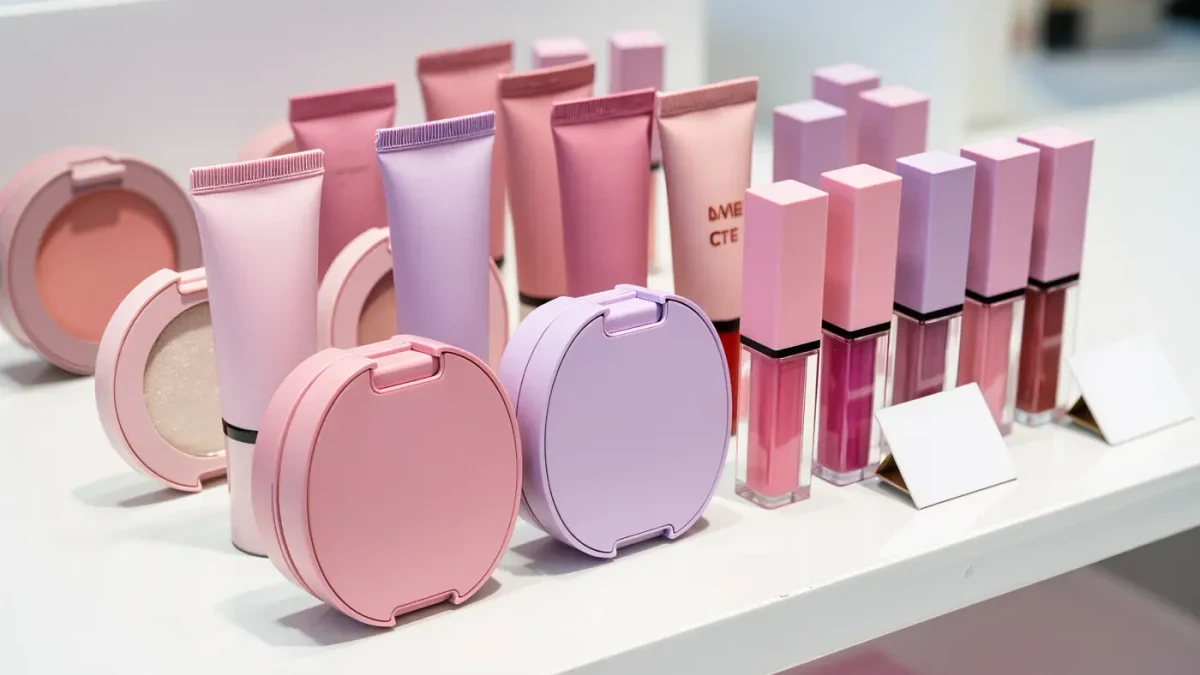
Skincare and haircare carried the rest of the market. According to the H1 2026 data, prestige haircare grew 11 percent, driven by treatments, scalp products and serums, while prestige skincare grew 9 percent, with body care and suncare adding to facial categories. Makeup was the laggard in the first quarter, though lip treatments and lip liner stood out as top performers in both channels, delivering growth in both dollars and units.
| Category (H1 2026, US) | Growth | Driver, per Circana data |
|---|---|---|
| Mass fragrance | +15% | Growth in both value and volume |
| Prestige haircare | +11% | Treatments, scalp products, serums |
| Prestige skincare | +9% | Body care and suncare alongside facial care |
| Mass skincare | +8% | Serums and treatment formats |
| Mass and prestige total | +7% | $56.3 billion combined market |
The table reads as a story about function. Categories that promise a measurable job, longer-lasting scent, stronger hair, protected skin, grew fastest, while color cosmetics flattened. In the first-quarter Circana report, Jensen also noted that digital and social platforms are no longer just a testing ground for emerging brands but full-scale commerce engines, which is where most readers now encounter the formulas driving these numbers.
Why does this matter for a reader's shelf?
Category data is not product advice, but it tracks where formulation investment is flowing. When scalp serums and suncare outpace color, brands staff more chemists in those aisles, and ingredient quality per dollar tends to rise. A reader deciding between a fourth eyeshadow palette and a broad-spectrum sunscreen is, according to the market's own numbers, following the same logic that carried the industry through 2026.
The convergence of mass and prestige also changes how to read labels. With prestige no longer outgrowing the drugstore by default, price is a weaker proxy for formulation than it was five years ago. The first-half 2026 figures reported from Circana's data suggest comparing ingredient lists across price tiers rather than assuming the department-store version is the stronger formula. It also puts retailer exclusives and loyalty pricing, rather than formulation, at the center of where a shopper's dollars actually go, since both channels now compete on the same 7 percent trajectory with the same shoppers in reach.
What does the data not show?
There is also a texture story inside the skincare number. The first-half figures attribute prestige skincare's growth partly to body care and suncare, categories that spent a decade as afterthoughts behind facial serums. Haircare's 11 percent prestige growth, led by treatments, scalp products and serums, mirrors the same shift from cleansing toward function. Readers have watched this arrive as aisle creep, scalp serums where shampoos used to live, SPF sticks at checkout, and the sales data confirms it is a durable redirection of spending rather than a trend spike.
Sales data measures spending, not efficacy. A serum category growing 9 percent says nothing about whether any individual serum works, and Circana's figures do not distinguish between repeat purchases that reflect loyalty and those that reflect disappointment. Readers should treat market reports as a map of where the industry is heading, and peer-reviewed evidence as the only map of what an ingredient actually does. The two ledgers, dollars and data, rarely agree perfectly, and the shelf that serves a reader best consults both.
This article is for informational purposes only and does not constitute medical advice. Skincare and haircare needs vary by individual; consult a dermatologist or qualified healthcare professional before starting any new treatment, especially for persistent skin, scalp, or hair concerns.