Menopause changes skin through a single mechanism with many outputs: estrogen decline. A dermatology review in Dermatology and Therapy explains that the drop in 17-beta-estradiol after menopause reduces skin health by negatively impacting dermal cellular and homeostatic mechanisms, including loss of collagen, elastin, fibroblast function, and vascularity. The result readers notice first is usually dryness, then thinning and slower healing.
What does estrogen actually do for skin?
Estrogen is not a vanity hormone; it is a signaling molecule with receptors throughout the skin, abundant in keratinocytes and fibroblasts. The Dermatology and Therapy review, authored by Lephart and Naftolin, describes estrogen as a pivotal signaling molecule transmitted via estrogen receptors to influence many important biological functions. In skin, those functions include maintaining collagen density, supporting the extracellular matrix, and sustaining antioxidant defense against reactive oxygen species. When ovarian estrogen production ends at menopause, all of these supports taper together, which is why the changes arrive as a cluster rather than one symptom.
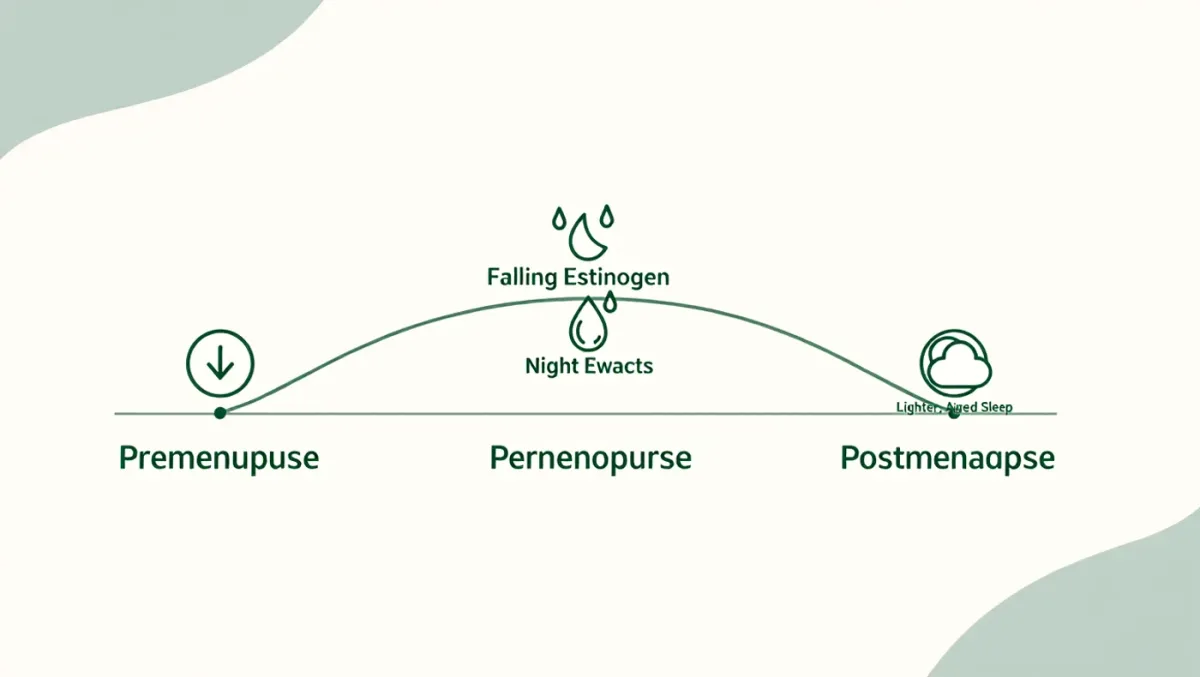
The timeline is gradual rather than overnight. Readers in perimenopause may see the earliest shifts as increased transepidermal water loss and a moisturizer that suddenly seems insufficient. The review notes the post-menopause decline is associated with dryness, wrinkles, atrophy, impaired wound healing and barrier function, and decreased antioxidant capacity. None of this is a hygiene failure; it is endocrinology, and it deserves the same clinical seriousness.
Which skin changes are best documented?
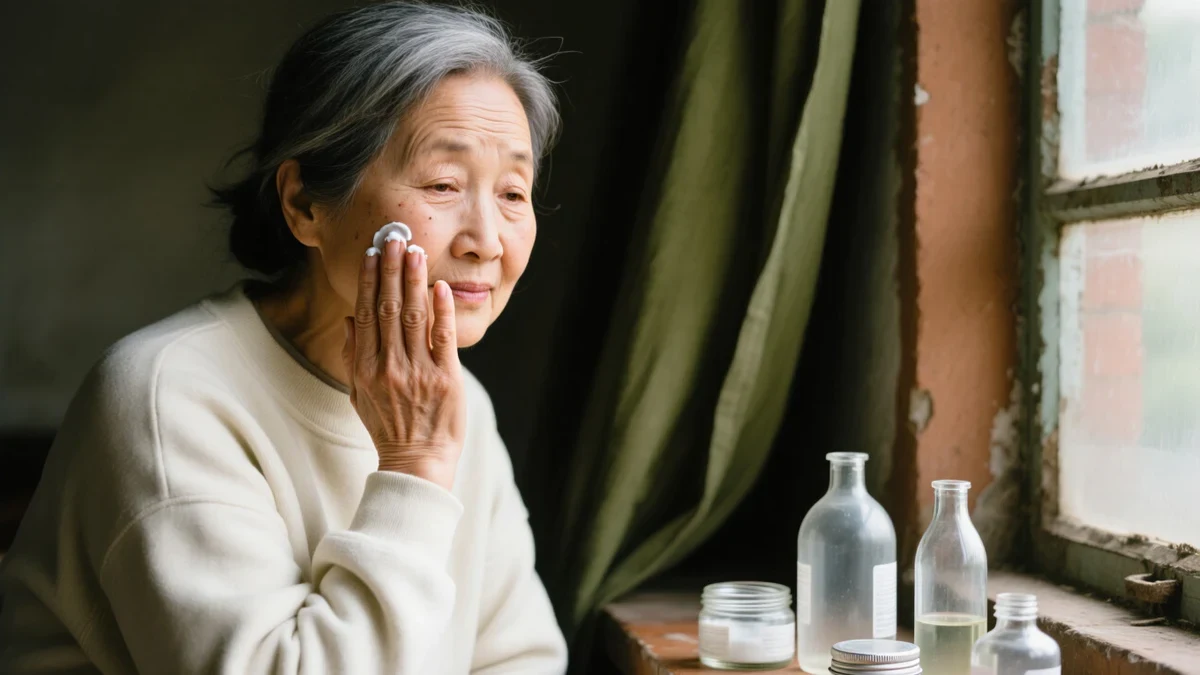
A four-part review in Clinical and Experimental Dermatology by Kamp and colleagues examined the effect of menopause on the skin and its structure and function. Their literature review found there is evidence that oestrogen is implicated in transepidermal water loss and reduction in dermal collagen, and associations between menopause and multiple common dermatoses, including xerosis and pruritus. In plain terms: the barrier leaks more, the dermis thins, and itching with dryness becomes a common presentation in menopausal patients.
Beyond dryness, the Dermatology and Therapy review lists increased matrix metalloproteinase enzymatic activity, meaning the skin breaks down its own matrix faster, alongside increased perception of aging. The Clinical and Experimental Dermatology authors are careful to add that further research to understand the mechanisms and explore therapeutic options is needed, a honesty worth importing into any product conversation. Menopausal skin is one of the most actively researched areas in dermatology precisely because so many therapeutic questions remain open.
| Documented change | Source finding | Reader-visible sign |
|---|---|---|
| Collagen decline | Reduction in dermal collagen (Kamp et al.) | Thinner, less firm skin |
| Barrier and TEWL | Oestrogen implicated in transepidermal water loss | Dryness, tightness, itch |
| Matrix degradation | Increased matrix metalloproteinase activity (Lephart) | Faster visible aging |
| Healing and defense | Impaired wound healing, lower antioxidant capacity | Slower recovery, more UV sensitivity |
What helps, according to the evidence?
The strongest documented intervention is also the most medical one. The Dermatology and Therapy review states that while topical estrogen may reverse these changes, the effects of today's low-dose systemic hormone treatments are not well established, and it examines newer cosmeceutical agents such as selective estrogen receptor modulators, including plant-derived phytoestrogens, as active ingredients studied for estrogen-deficient skin. Those are research directions, not shelf certainties, and hormonal decisions belong with a clinician, not a beauty counter.
What a skincare routine can do is support what remains. Barrier care, gentle cleansing, and daily sun protection address the documented leakage and accelerated photoaging without overpromising, and retinoid and moisturizer choices are best made with a dermatologist who knows the full picture. Readers should be wary of any product marketed as reversing menopause, because the reviews above describe modulation of a systemic hormonal process, and no cosmetic is cleared to treat it. The Dermatology and Therapy review and the Clinical and Experimental Dermatology series are the primary sources behind every claim in this piece.
Which other skin conditions track with menopause?
The Clinical and Experimental Dermatology review goes beyond cosmetic change into dermatology proper. Its authors report associations between menopause and multiple common dermatoses, naming xerosis and pruritus, hidradenitis suppurativa, and psoriasis among the conditions examined. The distinction matters for readers: dryness that crosses from cosmetic annoyance into persistent itch is a medical presentation, not a moisturizer gap, and the review's framing puts it firmly in the dermatologist's office rather than the beauty aisle.
The mechanism literature explains why these associations are plausible rather than coincidental. Lephart and Naftolin describe the post-menopausal skin as operating with impaired wound healing and barrier function together with decreased antioxidant capacity, a combination that leaves skin slower to recover from everyday insults. Skin that heals slowly and defends weakly is more susceptible to the conditions that thrive on barrier compromise, which is why the same menopausal window can bring both a new wrinkle pattern and a new diagnosis, and why the two literatures, cosmetic and clinical, keep converging on the same patients and the same exam rooms.
When should a reader see a dermatologist?
Straightforward thresholds emerge from the reviews. Persistent itching, dryness that cracks or interferes with sleep, sudden changes in hair or nail growth alongside skin changes, and any lesion that changes appearance all warrant professional evaluation, because the associated dermatoses in the review require diagnoses no article can supply. Even for purely cosmetic concerns, a dermatologist can distinguish estrogen-related change from photoaging or from a treatable condition, which changes the plan entirely.
For readers weighing hormonal options, the reviews are explicit about where certainty ends. The Dermatology and Therapy paper notes topical estrogen may reverse these changes while the effects of today's low-dose systemic hormone treatments are not well established, and that conversation belongs with a clinician who can weigh personal and family history against the full risk picture. What a dermatology visit reliably supplies, regardless of the path chosen afterward, is a barrier-support plan calibrated to skin that has changed, which is more than most product marketing can honestly promise.
What does the research not settle?
Plenty. The phytoestrogen and cosmeceutical data the reviews cite come largely from in vitro and clinical studies on specific compounds, not from the finished products on retail shelves, and long-term outcomes of newer agents are not established. The Clinical and Experimental Dermatology review explicitly calls for more research into mechanisms and therapeutic options. For readers, the honest summary is that menopausal skin change is well described, mechanistically understood in outline, and only partially addressable from the vanity, while the rest is a conversation worth having with a dermatologist.
This article is for informational purposes only and does not constitute medical advice. Skincare and haircare needs vary by individual; consult a dermatologist or qualified healthcare professional before starting any new treatment, especially for persistent skin, scalp, or hair concerns.