The Journal of the American Academy of Dermatology published three papers online in August 2026: a review on laser safety in skin of color, a study of trichoscopic norms in women of African descent, and an alopecia areata management update. The lead point: in Fitzpatrick types IV to VI, epidermal melanin competes with laser targets and raises hyperpigmentation risk.
What did the skin of color laser review find?
That device choice and settings carry most of the safety burden. The review, authored by dermatologists including Andrew Alexis of Weill Cornell and key figures from the University of Miami, states that in darker skin "increased epidermal melanin acts as a competing chromophore with a broad absorption spectrum, increasing the risk of adverse effects such as post-inflammatory hyperpigmentation, hypopigmentation, blisters, and scarring," per the JAAD paper. Low-fluence Q-switched and picosecond Nd:YAG lasers offered favorable profiles for pigmentary disorders and tattoo removal, non-ablative fractional lasers were usable with conservative settings, and the authors call for strict photoprotection before and after treatment, alongside a candid acknowledgment that large prospective trials in darker skin types remain lacking.
Why does a textured-hair trichoscopy study matter?
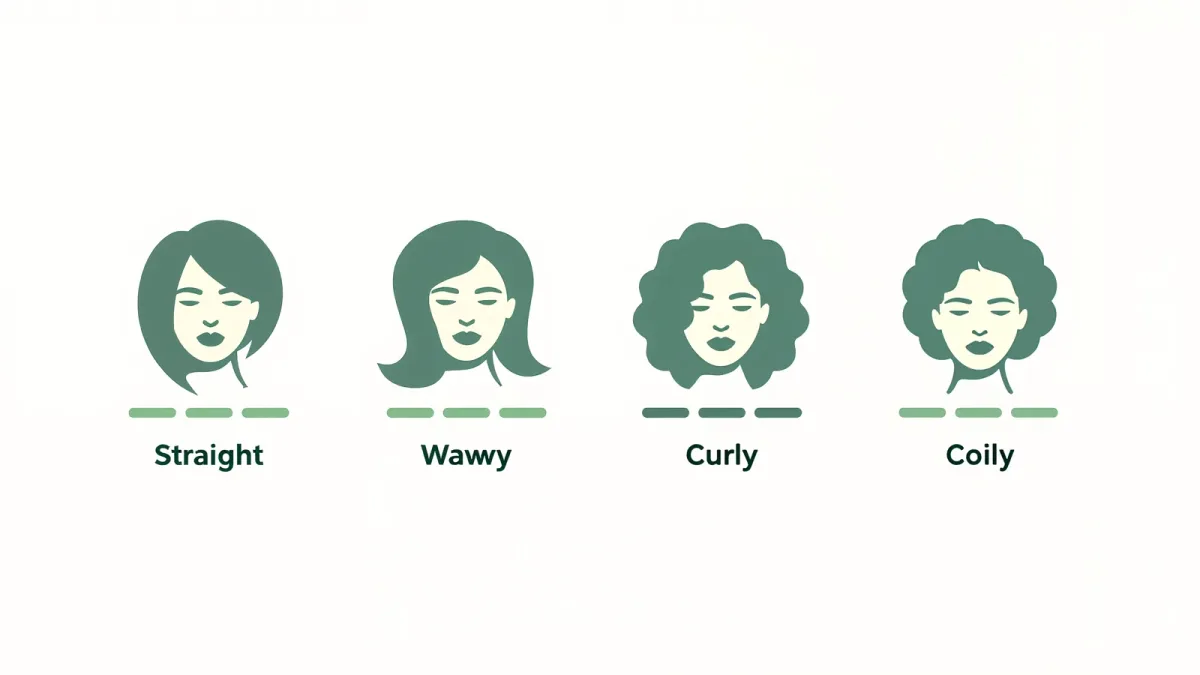
Because diagnosis needs a baseline, and textured hair has been under-measured in the literature. The study by an international team including Ncoza Dlova of the Nelson R Mandela School of Medicine and Marcela Gavazzoni Dias of Fluminense Federal University, published online ahead of print in JAAD, documented normal trichoscopic features and hair shaft parameters in healthy women of African descent, per the journal record. Reference data like this is what allows a clinician to tell normal variation from early pathology, which historically skewed toward straight-hair norms. The author team spans Sadick Dermatology in New York, the University of Minnesota, and Brazil's Fluminense Federal University, and the paper lists no competing interests, per its published record. For readers with textured hair who have been told their trichoscopy looks unusual, the study's existence is itself useful context to bring to an appointment.
How does this affect a reader's beauty routine?
Mostly at the consultation desk rather than the vanity. The third paper, a management review of alopecia areata from NYU dermatologists, concerns prescription therapy, including oral JAK inhibitors for severe disease, and is reading for a physician visit, not a shopping decision, per the JAAD review. The consumer takeaway sits in the exam room: readers with deeper skin tones considering laser hair removal, pigmentation treatment, or tattoo removal now have a peer-reviewed reference describing which devices and settings carry better-documented safety profiles, and it is reasonable to ask a provider directly how their protocol accounts for melanin-rich skin.
This article is for informational purposes only and does not constitute medical advice. Cosmetics are not treatments for medical conditions. For persistent skin, hair, or scalp concerns, consult a dermatologist or qualified healthcare professional.